

Find your best self before the wedding ceremony and read marriage, relationship, and wellness tips from Denver wedding officiant, Michael Moody.
Summer Wedding Guide for Evergreen, Colorado: Venues, Travel, and Planning Tips
Summary
Planning a summer wedding in Evergreen, Colorado? This guide covers some of the most popular Evergreen-area venues, travel and lodging tips for guests, marriage-license basics through Jefferson County, and practical day-of ideas for mountain weather, timing, and guest comfort. Evergreen combines lake views, pine forests, and easy access from Denver, making it a strong fit for couples who want a Colorado mountain feel without sending everyone deep into the high country.
Frequently Asked Questions About Getting Married in Evergreen, Colorado
What is the best time for a summer wedding in Evergreen, Colorado?
For most couples, the best window is late June through early September. That stretch usually offers the most greenery, long daylight, and the easiest conditions for outdoor ceremonies and portraits. Evergreen’s wedding and visitor resources also position the area as a sunny mountain destination with strong summer appeal.
What are the best wedding venues in Evergreen, Colorado?
Some of the most recognizable options in and around Evergreen include Evergreen Lake House, The Barn at Evergreen Memorial Park, Evergreen Red Barn, and nearby foothills venues couples often compare alongside Evergreen properties. Evergreen Lake House is one of the best-known local choices because it overlooks the lake and offers a rustic mountain setting with year-round event hosting.
How far is Evergreen from Denver International Airport?
A practical planning estimate is about an hour or a little more by car, depending on traffic, arrival time, and where guests are staying in Evergreen. Evergreen is commonly described as about 30 minutes from Denver, which makes it one of the more accessible mountain-style wedding destinations near the city.
How do you get a marriage license for an Evergreen wedding?
Most couples getting married in Evergreen use Jefferson County. Jefferson County says the marriage license costs $30, can be used immediately in Colorado, and remains valid for 35 days from the date of issue. The county also explains that both parties should typically appear in person, although one party may appear with a completed, notarized absentee affidavit and the absent party’s original identification, if needed.
Do you need an officiant to get married in Colorado?
Not strictly. Colorado allows self-solemnization, meaning a couple can legally marry without a traditional officiant and without witnesses. Even so, many couples still hire a wedding officiant because it provides a more personal ceremony, better structure, and smoother guidance through the processional, vows, and the overall flow of the ceremony.
What should out-of-town guests know before attending a wedding in Evergreen?
Guests should know that Evergreen is easier to reach than many mountain towns, yet it still feels like a Colorado destination wedding location. It also sits at about 7,074 feet, so hydration, sunscreen, layers, and pacing alcohol are all smart recommendations for visitors arriving from lower elevations. Lodging options in the area include cabins, cottages, and other mountain-style stays that work well for full wedding weekends.
What time should a summer wedding ceremony start in Evergreen?
A strong planning range is late afternoon to early evening, often around 5:00 to 6:00 p.m., for outdoor weddings. That timing usually gives you softer light for photos, cooler temperatures for guests, and a more comfortable ceremony experience than a mid-afternoon start. This is a best-practice recommendation based on the mountain setting, not a legal requirement. Evergreen’s outdoor wedding appeal and scenic venues make light and weather timing especially important.
Is Evergreen a good location for a destination wedding in Colorado?
Yes — Evergreen is a strong option for couples who want a mountain wedding feel without sending guests too far from Denver. It combines foothills scenery, local lodging, outdoor recreation, and recognizable wedding venues, while still being much easier for guests to access than many deeper resort-town destinations.
How do you plan an outdoor wedding ceremony in Evergreen?
Start with the basics: confirm your venue’s weather backup plan, think through guest shade and hydration, and schedule the ceremony for a time with better light and comfort. Because Evergreen is a mountain setting at over 7,000 feet, outdoor weddings benefit from practical details like water stations, layers, microphone wind protection, and a backup plan for afternoon weather changes.
What does a wedding officiant in Evergreen, Colorado do?
A wedding officiant helps create and lead the ceremony itself. That usually includes creating a personalized script, helping with vows, guiding the processional and recessional, running the rehearsal, and ensuring the ceremony feels clear, calm, and meaningful on the day of the wedding. In a place like Evergreen, where couples often want a personal mountain ceremony rather than a generic one, the officiant also helps connect the setting to the couple’s story. This final point is a professional planning judgment rather than a county rule.
Key Topics
Evergreen wedding officiant
wedding officiant Evergreen, CO
Evergreen Colorado wedding
summer wedding, Evergreen, Colorado
Evergreen wedding venues
Evergreen Lake House wedding
The Barn at Evergreen Memorial Park wedding
Evergreen Red Barn wedding
mountain wedding Evergreen, CO
Evergreen, Colorado wedding ceremony
Colorado mountain wedding officiant
Jefferson County marriage license wedding
destination wedding, Evergreen, Colorado
personalized wedding ceremony Evergreen
Denver and Evergreen wedding officiant
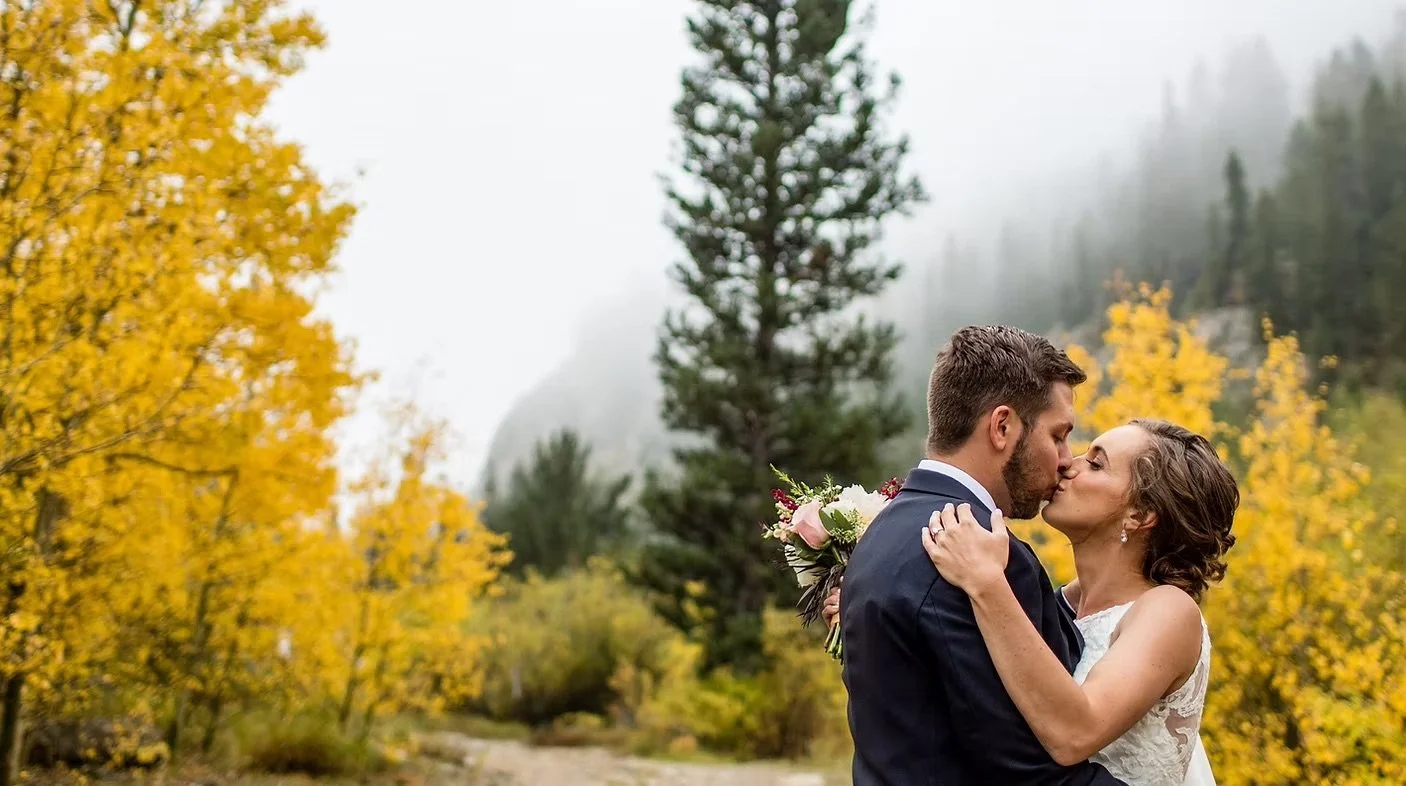
Photo: Blackstone Rivers Ranch
Summer Wedding Guide for Evergreen, Colorado: Venues, Travel, and Planning Tips
Planning a summer wedding in Evergreen, Colorado? This guide covers some of the most popular Evergreen-area venues, travel and lodging tips for guests, marriage-license basics through Jefferson County, and practical day-of ideas for mountain weather, timing, and guest comfort. Evergreen combines lake views, pine forests, and easy access from Denver, making it a strong fit for couples who want a Colorado mountain feel without sending everyone deep into the high country.
Why Evergreen Works for Summer “I Do’s”
A mountain-town setting without requiring guests to travel all the way into a resort market.
A strong mix of venue styles, from lakefront and rustic log architecture to barn and canyon-view settings.
Quick access from Denver for local couples and easier logistics for out-of-town guests.
A summer season that is ideal for outdoor ceremonies, with enough mountain variability that a thoughtful rain and temperature backup plan still matters.
Best Months and Day-Of Timing
For an Evergreen summer wedding, late June through early September is usually the sweet spot for green scenery, longer daylight, and a strong balance between comfort and mountain atmosphere. The best ceremony window is often later in the day, when direct sun softens and temperatures become more comfortable for guests in formalwear. Because mountain weather can still turn quickly, ask your venue about covered ceremony options, wind exposure, and storm procedures before finalizing your timeline. This timing advice is a planning judgment based on the local setting and venue style rather than a government rule
Ceremony and Reception Ideas for an Evergreen Wedding
Lakefront elegance: A ceremony with water views, wood tones, and soft neutral florals works especially well in Evergreen. Evergreen Lake House is known for lake views and rustic log-cabin character.
Classic mountain barn style: Evergreen Red Barn and The Barn at Evergreen Memorial Park both lean rustic and scenic, with forested or meadow-style surroundings.
Foothills panorama: Mount Vernon Canyon Club is a good fit for couples who want dramatic views while staying close to Denver.
River-and-pines atmosphere: Blackstone Rivers Ranch, though not in Evergreen proper, is close enough to fit many foothills wedding searches and offers a strong indoor-outdoor mountain event feel.
Venues In and Near Evergreen to Consider
These are the kinds of venues couples often compare when planning an Evergreen-area wedding weekend:
Evergreen Lake House — A year-round event venue overlooking Evergreen Lake, known for mountain views, deck access, and rustic log-cabin character.
The Barn at Evergreen Memorial Park — A mountain venue surrounded by evergreens and wildlife, with a historic, rustic feel.
Evergreen Red Barn — A venue set among pines with mountain views and an outdoor arbor option.
Mount Vernon Canyon Club — A foothills venue about 20 minutes west of Denver with canyon and city-light views.
Blackstone Rivers Ranch — A nearby foothills option with riverfront, forest, and mountain ambiance, located about 35 minutes west of Denver.
Wedding Officiant Tip: Ask every venue about parking flow, shade at the ceremony site, wind on microphones, and what happens if thunderstorms build in the afternoon.
Out-of-Town Couples: Practical Guide
Getting here
Evergreen is marketed as a mountain destination that is still close to Denver, which is one of its biggest wedding-planning advantages. Downtown Evergreen is typically around 30 to 40 minutes from downtown Denver, while airport pickups usually need a larger time buffer.
Where to stay
The Evergreen chamber’s visitor resources emphasize a range of lodging styles, including cabins, cottages, and local stays that fit a full wedding weekend. This works well for couples who want a rehearsal dinner, welcome drinks, ceremony, and day-after brunch all within the same foothills area.
Getting around
Evergreen is easier than many mountain markets, but it is still smart to coordinate transportation if guests are unfamiliar with foothills roads, especially after dark. For weddings with hotel blocks, consider a shuttle or rideshare plan instead of assuming everyone will drive themselves back late at night. This is a best-practice recommendation based on the mountain location.
Guest comfort
Because Evergreen sits around 7,000-plus feet, couples should think through hydration, sunscreen, layered clothing, and pacing for guests coming from lower elevation. Small details like water stations, parasols, fans, or blankets can make the ceremony feel much more hospitable.
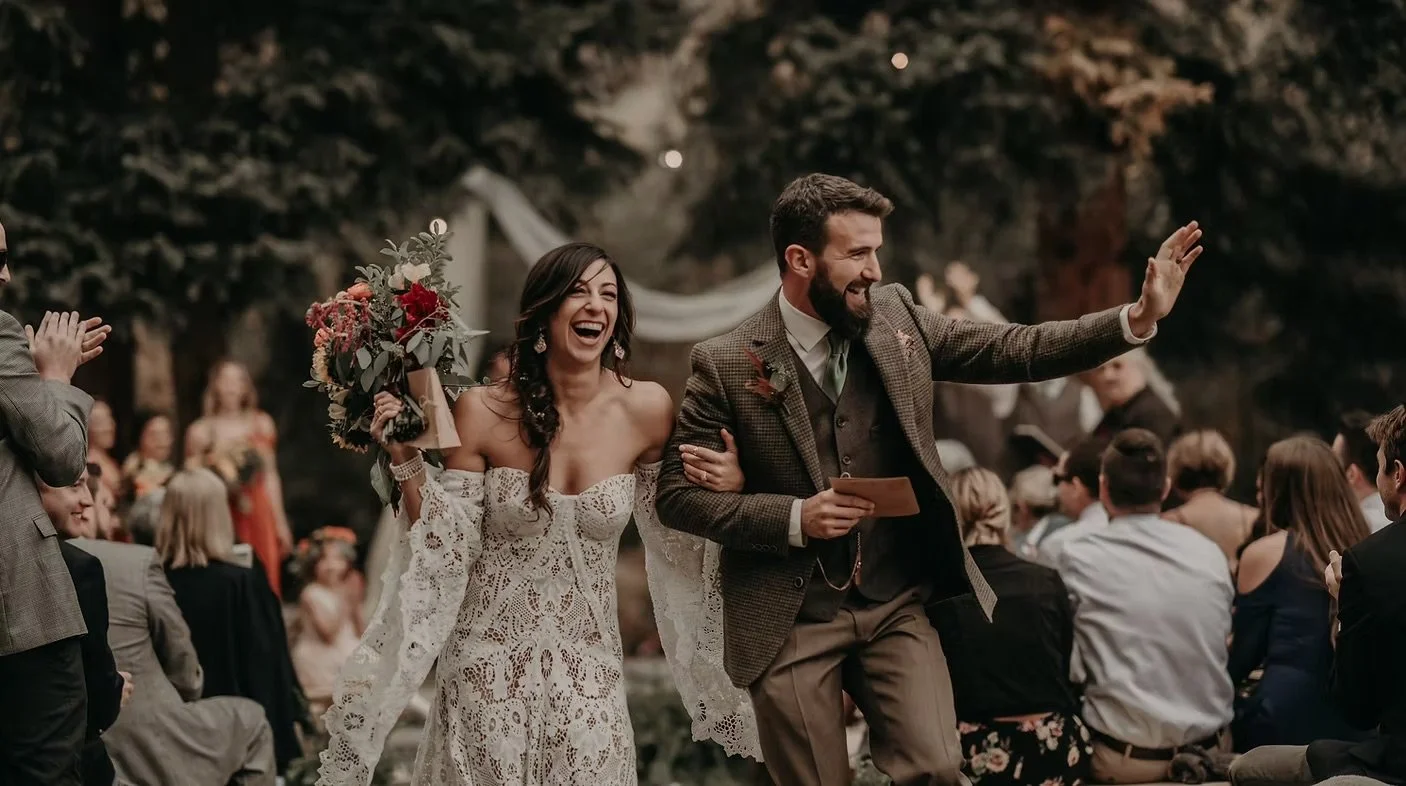
Evergreen Wedding Ceremonies / Photo: Blackstone Rivers Ranch
Marriage License for an Evergreen Wedding
For most Evergreen weddings, Jefferson County is the most relevant county office. Jefferson County says couples must gather the required information, complete the application, and come into the Records and Licensing office to purchase the license. The county also states that both people should be present to apply. The license fee is currently $30, and the license is valid for 35 days.
Colorado is also one of the few states that allows self-solemnization, and Jefferson County notes that witnesses are not required. Even if you choose to hire a professional wedding officiant for a more personal, polished, and guided ceremony experience, this flexibility is one reason Colorado weddings are so appealing for both traditional weddings and intimate celebrations.
Sample Summer Wedding Timeline (5:00 p.m. to 10:00 p.m.)
2:00 p.m. Getting ready, detail photos, and final touchpoints with planner and officiant
4:00 p.m. First look and wedding party portraits
5:30 p.m. Ceremony
6:00 p.m. Family photos and cocktail hour
6:45 p.m. Golden-hour portraits
7:30 p.m. Dinner and toasts
8:45 p.m. First dances and open dance floor
10:00 p.m. Grand exit or final private moment together
This kind of timeline usually fits Evergreen well because it protects guests from peak afternoon sun and tends to produce more flattering ceremony light in outdoor or deck-facing settings. That is a planning recommendation based on venue style and foothills condition’ conditions.
Preferred Vendor Shortlist: What to Ask For
Planner or coordinator: Ask how they handle ceremony transitions, guest arrival flow, and weather pivots for mountain venues.
Photography and video: Ask about sunset timing, shade, and the travel time needed between portrait spots.
Catering: Ask about hydration stations, seasonal menus, and any service constraints outdoors.
Music: Ask whether the ceremony site needs battery-powered amplification and wind protection for microphones.
Wedding officiant: Ask whether your officiant helps customize the script, guides rehearsal, times the processional well, and coordinates with your planner, photographer, and DJ.
How Michael Can Help Personalize Your Evergreen Wedding Ceremony
As a Colorado wedding officiant, Michael can help turn an Evergreen wedding from “beautiful setting” into a ceremony that actually feels like you. That includes learning your story, shaping a ceremony tone that fits your relationship, helping with vows, guiding rehearsal, and coordinating with your vendor team so the ceremony feels calm, clear, and meaningful. Evergreen is especially well-suited for couples who want something personal and mountain-forward without losing convenience for guests. Your existing site already positions Michael as serving Evergreen and other Colorado locations, which makes an Evergreen-specific planning post a strong fit for local service visibility.
About the Author: Michael Moody, Wedding Officiant
Michael Moody—author of the self-improvement book Redefine Yourself: The Simple Guide to Happiness and host of the “The Elements of Being” podcast—is an ordained minister serving Denver and other towns across Colorado. He is a 2023 WeddingWire Couples’ Choice Award winner in both Denver and Chicago (his eighth consecutive year), was named “Best Business of 2024 and 2025” by Three Best Rated, and earned “The Best Wedding Officiant in Commerce City, Colorado for 2024” from Quality Business Awards USA. Since 2012, he has officiated more than 300 weddings.
Specifically, Michael officiates wedding ceremonies in the Denver neighborhoods of LoDo, River North, Washington Park, Cherry Creek, City Park, Central Park, Capitol Hill, Cheesman Park, Park Hill, Highland, Platt Park, Lower Highlands, Sloan Lake as well as the zip codes 80215, 80214, 80204, 80203, 80205, 80207, 80218, 80219, 80222, 80223, 80224, 80246, 80238, 80221, 80022, 80230, 80231, 80202, 80209, 80247, and 80210. Michael also serves as an ordained minister in Golden, Boulder, Breckenridge, Frisco, Aspen, Vail, Estes Park, and more.
If your Denver neighborhood or Colorado town isn’t listed here, no worries! Please contact Michael to propose a wedding ceremony location in a different area!
Wedding Planning Tips










Denver Rehearsal Dinner Venues: Elegant and Upscale Restaurant Options for Your Wedding Weekend
Summary
Planning a rehearsal dinner in Denver? Explore upscale restaurants such as The Kitchen, Tavernetta, and Guard & Grace. Learn about ambiance, private dining spaces, guest capacity, and standout menu items to choose the perfect rehearsal dinner setting for your wedding weekend.
Frequently Asked Questions
What is the best rehearsal dinner venue in Denver?
The best venue depends on your guest count and style, but The Kitchen, Tavernetta, and Guard and Grace are among the most popular upscale options.
How many people typically attend a rehearsal dinner?
Most rehearsal dinners include 15–50 guests, though larger gatherings are becoming more common.
Do Denver restaurants offer private dining for rehearsal dinners?
Yes, many higher-end Denver restaurants offer private or semi-private dining rooms specifically for rehearsal dinners.
How far in advance should we book a rehearsal dinner venue in Denver?
Six to nine months in advance is recommended, especially for popular wedding weekends.
Key Topics
Denver rehearsal dinner venues
Rehearsal dinner Denver restaurants
Upscale rehearsal dinner Denver
The Kitchen Denver rehearsal dinner
Denver wedding rehearsal dinner ideas
Private dining Denver wedding events
Denver wedding weekend planning
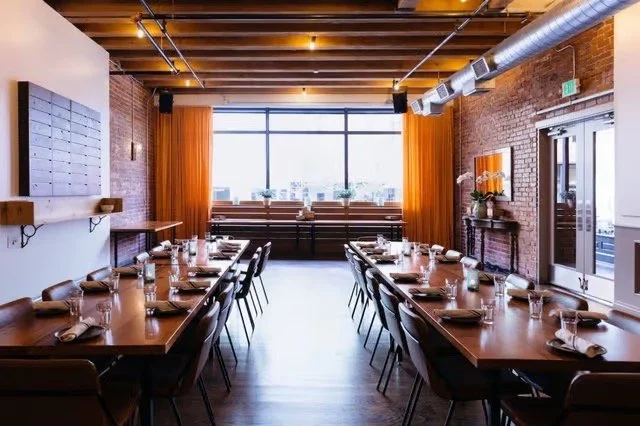
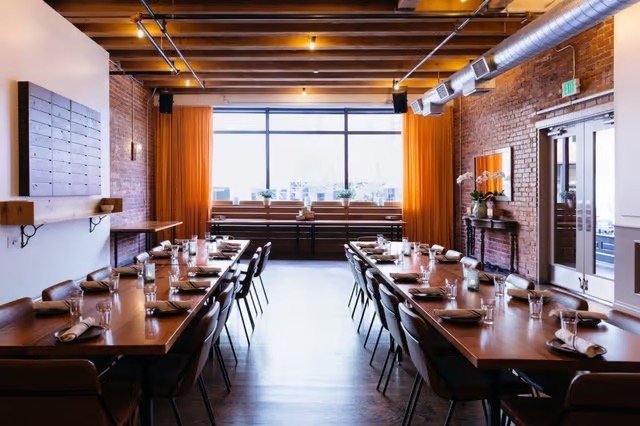
The Kitchen American Bistro in Denver
Denver Rehearsal Dinner Venues: Upscale Restaurant Options for Your Wedding Weekend
As a Denver wedding officiant, I often work with couples who want their rehearsal dinner to feel intentional, elevated, and reflective of the overall wedding experience. The rehearsal dinner sets the tone for the weekend, bringing together close family and friends in a relaxed yet meaningful way before the ceremony.
Denver offers an impressive range of high-end restaurants with private dining spaces, exceptional cuisine, and polished ambiance—ideal for hosting a memorable rehearsal dinner. Below are some of the most popular upscale rehearsal dinner venues in Denver, along with details on décor, space size, and signature dishes to help you find the right fit.
The Kitchen – Downtown Denver
Best for: Couples who value seasonal cuisine, warm design, and an intimate yet refined atmosphere.
The Kitchen is one of Denver’s most sought-after rehearsal dinner venues, especially for couples planning a downtown wedding. The space blends modern farmhouse design with thoughtful craftsmanship—exposed wood beams, soft lighting, and an open, welcoming layout. Email Sammy at sammy@thekitchen.com to schedule a visit!
Private Dining and Space
Multiple private and semi-private dining options
Ideal for rehearsal dinners ranging from 20 to 60 guests
Can accommodate cocktail and hors d’oeuvres receptions and seated family-style dinners
Cuisine Highlights
Seasonal, ingredient-driven menus
Popular dishes include handmade pastas, wood-roasted meats, and farm-fresh vegetable plates
Wine and cocktail program focused on quality and sustainability
Overall Feel
Elevated but comfortable—perfect for couples who want sophistication without formality.
Tavernetta – Union Station Area
Best for: A stylish, European-inspired rehearsal dinner with culinary flair.
Located next to Denver Union Station, Tavernetta offers a refined Italian dining experience that feels celebratory and polished. The décor is contemporary with subtle European influences—clean lines, soft textures, and an energetic yet intimate vibe.
Private Dining and Space
Dedicated private dining rooms
Best suited for 15–50 guests
Works well for seated, multi-course dinners
Cuisine Highlights
Handmade pastas and regional Italian specialties
Standout dishes often include agnolotti, crudo selections, and expertly prepared seafood
Strong wine list emphasizing Italian varietals
Overall Feel
Ideal for couples looking to impress out-of-town guests with a refined culinary experience
Guard and Grace – Downtown Denver
Best for: A bold, modern rehearsal dinner with a steakhouse experience.
Guard and Grace is a contemporary steakhouse with dramatic architectural elements—soaring ceilings, floor-to-ceiling windows, and sleek, modern finishes. It’s an excellent choice for larger rehearsal dinners that still feel upscale and intimate.
Private Dining and Space
Several private dining rooms of varying sizes
Can host 20–80+ guests, depending on configuration
Well-suited for formal seated dinners
Cuisine Highlights
Premium steaks, including dry-aged and Wagyu cuts
Seasonal seafood and inventive sides
Craft cocktails and an extensive wine list
Overall Feel
Modern luxury with a lively atmosphere—great for couples who want a high-energy evening.
Choosing the Right Denver Rehearsal Dinner Venue
When selecting your rehearsal dinner location, consider:
Guest count and private dining capacity
Proximity to your ceremony or wedding venue
Level of formality you want for the evening
Dietary flexibility for your guests
As your wedding officiant, I’ve seen how a well-chosen rehearsal dinner venue can foster meaningful connections and ease pre-wedding nerves—setting the stage for a smooth, joyful ceremony.
About the Author: Michael Moody, Wedding Officiant
Michael Moody—author of the self-improvement book Redefine Yourself: The Simple Guide to Happiness and host of the “The Elements of Being” podcast—is an ordained minister serving Denver and other towns across Colorado. He is a 2023 WeddingWire Couples’ Choice Award winner in both Denver and Chicago (his eighth consecutive year), was named “Best Business of 2024 and 2025” by Three Best Rated, and earned “The Best Wedding Officiant in Commerce City, Colorado for 2024” from Quality Business Awards USA. Since 2012, he has officiated more than 300 weddings.
Specifically, Michael officiates wedding ceremonies in the Denver neighborhoods of LoDo, River North, Washington Park, Cherry Creek, City Park, Central Park, Capitol Hill, Cheesman Park, Park Hill, Highland, Platt Park, Lower Highlands, Sloan Lake as well as the zip codes 80215, 80214, 80204, 80203, 80205, 80207, 80218, 80219, 80222, 80223, 80224, 80246, 80238, 80221, 80022, 80230, 80231, 80202, 80209, 80247, and 80210. Michael also serves as an ordained minister in Golden, Boulder, Breckenridge, Frisco, Aspen, Vail, Estes Park, and more.
If your Denver neighborhood or Colorado town isn’t listed here, no worries! Please contact Michael to propose a wedding ceremony location in a different area!
Wedding Planning Tips
How to Personalize Your Wedding Ceremony Without Making It Awkward or Overlong
Summary
Wondering how to personalize your wedding ceremony without it feeling awkward, too long, or overly scripted? Learn what actually works—from meaningful wedding vows and readings to wedding ceremony flow and tone—plus expert tips from a professional wedding officiant on creating a ceremony that feels authentic and memorable.
Frequently Asked Questions
How do you personalize a wedding ceremony?
A wedding ceremony is personalized through custom wording, intentional wedding vows, meaningful readings or rituals, and a tone that reflects the couple’s relationship—all within a clear, well-paced structure.
Are personal wedding vows required for a personalized wedding ceremony?
No. Personalization can come from wedding ceremony language, readings, or symbolic elements. Many couples choose traditional wedding vows with customized introductions or reflections.
How long should personal wedding vows be?
Personal wedding vows are most effective when kept to 60–90 seconds per person, allowing emotion and meaning without losing momentum.
Can a wedding ceremony be personalized without being religious?
Yes. Many couples opt for secular or non-religious wedding ceremonies that still feel deeply meaningful through intentional language and personal storytelling.
Does personalization make a wedding ceremony feel less formal?
Not when done correctly. Personalization enhances formality when it is thoughtfully integrated and professionally delivered by a wedding officiant.
Key Topics
personalized wedding ceremony
wedding ceremony personalization ideas
custom wedding ceremony wording
personal wedding vows length
non-religious wedding ceremony ideas
modern wedding ceremony structure
wedding officiant ceremony customization
how to personalize a wedding ceremony
meaningful wedding ceremony ideas
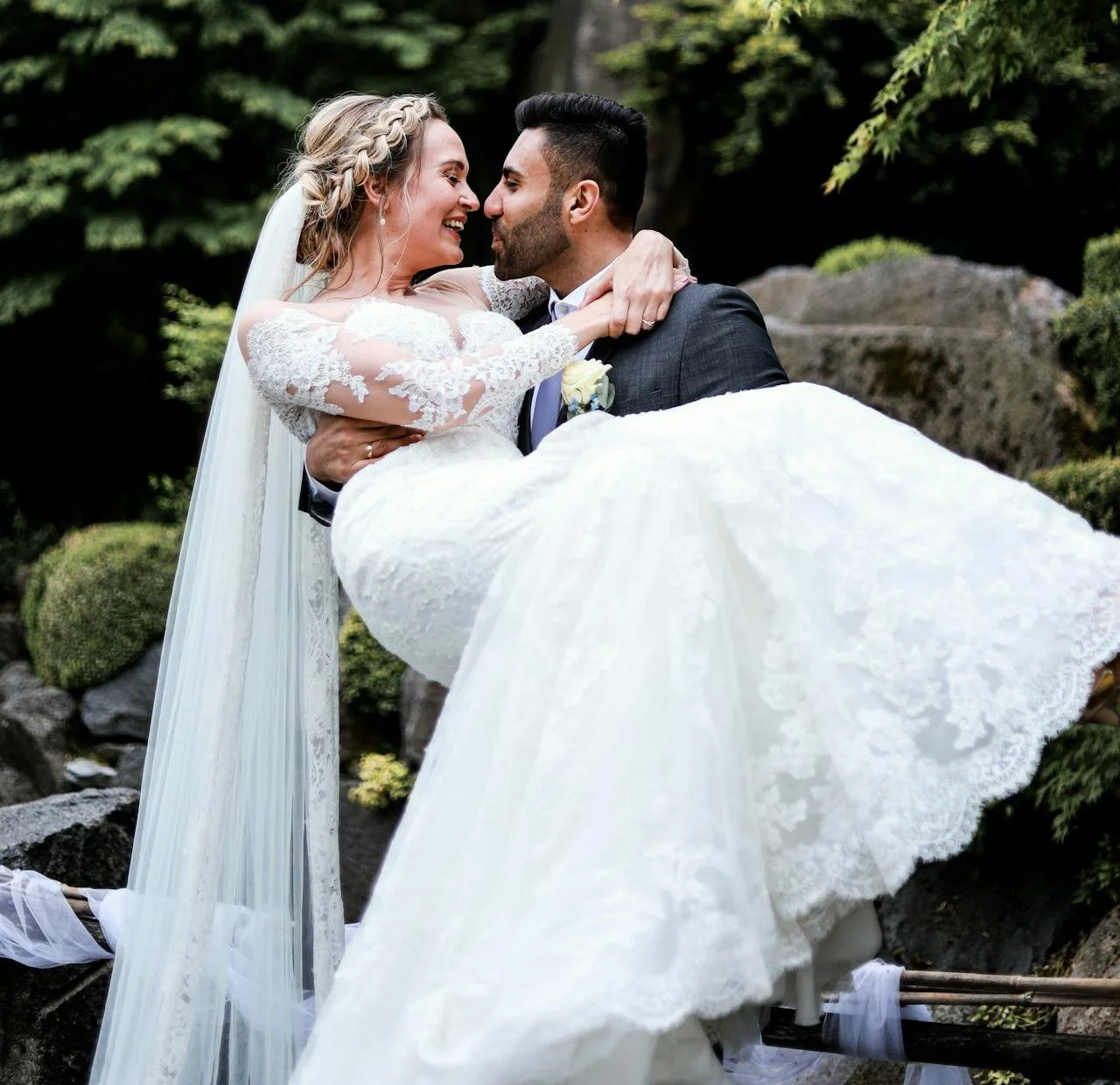
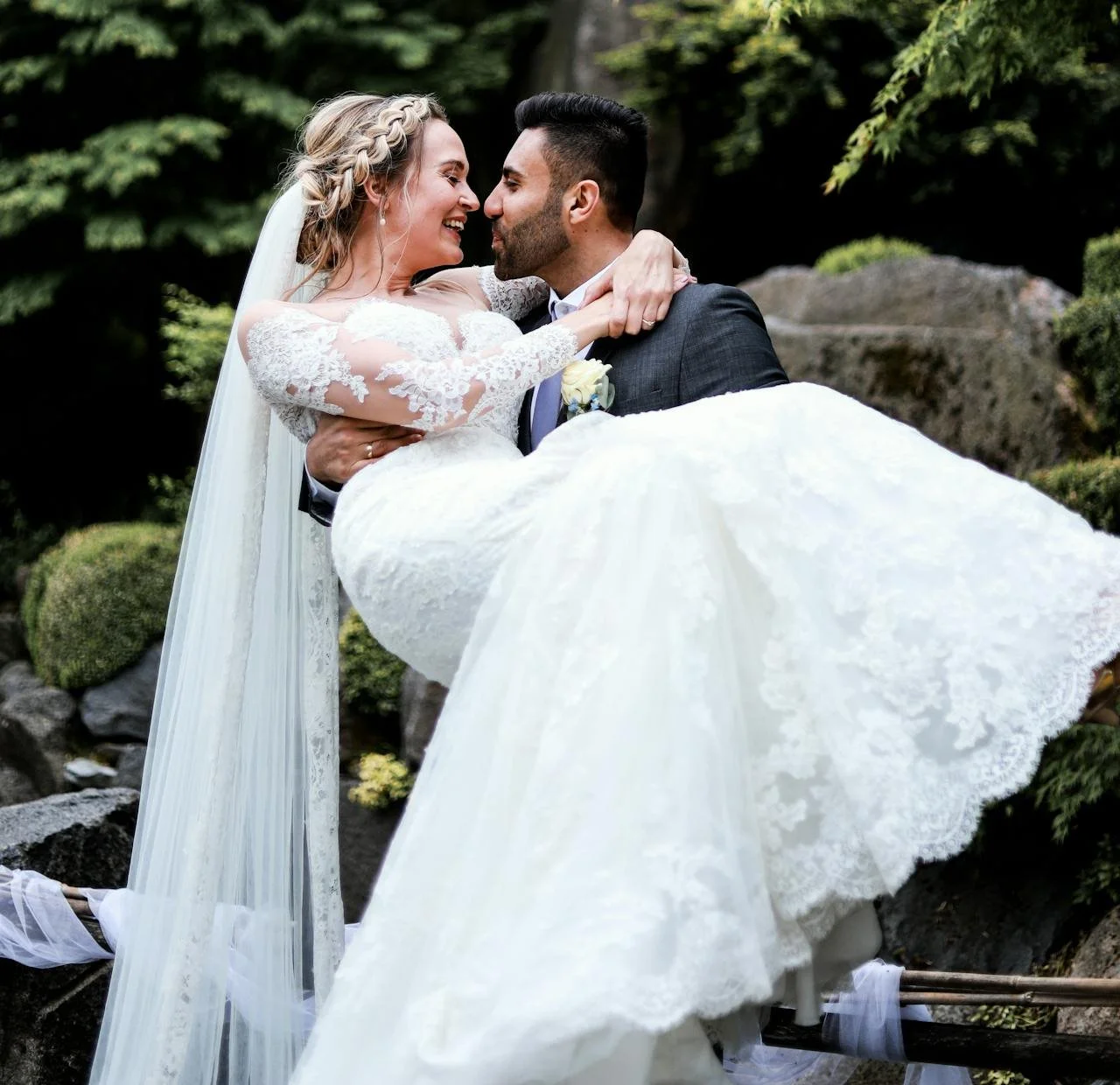
Wedding Planning Colorado / Photo: Filip Rankovic Grobgaard
How to Personalize Your Wedding Ceremony (Without Overthinking It)
One of the most common questions couples ask during the ceremony-planning process is:
“How do we make our wedding ceremony feel personal without making it uncomfortable, cheesy, or too long?”
The good news is that personalization does not require elaborate rituals, inside jokes, or writing a novel-length script. In fact, the most meaningful wedding ceremonies tend to be thoughtfully simple—structured, intentional, and grounded in the couple’s real story.
As a professional wedding officiant, Michael works closely with couples to strike that balance. Below is a breakdown of the most effective ways to personalize a wedding ceremony while keeping it elegant, engaging, and genuinely enjoyable for everyone present.
What “Personalized” Actually Means in a Wedding Ceremony
Personalization is not about reinventing the wedding ceremony format. Instead, it’s about infusing familiar structure with intentional details that reflect who you are as a couple.
A personalized wedding ceremony typically includes:
Language that sounds like you, not a generic template
A tone that matches your relationship (romantic, lighthearted, modern, or traditional)
Select moments of emphasis—rather than constant customization from start to finish
When done well, personalization feels natural and cohesive, not performative.
The Most Effective Ways to Personalize a Wedding Ceremony
1. Thoughtful, Concise Personal Wedding Vows
Personal wedding vows are often the emotional centerpiece of a wedding ceremony—but they don’t need to be long to be meaningful.
Best practices include:
Aiming for 60–90 seconds per person
Focusing on shared values and commitments, not a full relationship recap
Reading wedding vows aloud beforehand to ensure tone and pacing feel right
A good wedding officiant will help ensure both sets of wedding vows complement each other in length and tone.
2. Wedding Ceremony Language That Reflects Your Relationship
Small wording changes can dramatically shift how a wedding ceremony feels. This includes:
How the welcome is framed
How commitment is described
Whether the language is spiritual, secular, or neutral
Rather than writing everything from scratch, couples benefit most from custom-tailored wedding ceremony language within a proven structure.
3. One or Two Meaningful Readings (Not Five)
Readings can add depth—but too many slow the wedding ceremony down.
If you choose to include one or two:
Select a passage that reflects your values or outlook on partnership
Keep it under one minute
Assign it to someone who feels comfortable speaking in front of others
Poetry, modern essays, and short literary excerpts often resonate more than lengthy traditional readings.
4. Symbolic Rituals That Serve a Purpose
Unity rituals can be powerful—but only when they align with your story.
Examples that work well include:
Handfasting with a brief explanation
Wine or coffee rituals for couples who value shared traditions
Cultural or family-specific customs
The key is intentionality, not novelty.
What to Avoid When Personalizing Your Wedding Ceremony
Even well-intentioned personalization can backfire if overdone. Common pitfalls include:
Inside jokes that exclude guests
Overly casual language that undermines the moment
Excessive storytelling that disrupts pacing
Too many speakers or transitions
A polished wedding ceremony feels effortless because the personalization is curated—not layered on indiscriminately.
How Long Should a Personalized Wedding Ceremony Be?
For most weddings, the ideal wedding ceremony length is:
15–25 minutes total
Long enough to feel meaningful
Short enough to maintain guest engagement
Personalization should enhance the wedding ceremony—not extend it unnecessarily.
Why Your Choice of Wedding Officiant Matters
A professional wedding officiant acts as:
A guide through wedding ceremony options
An editor for tone, pacing, and clarity
A neutral voice ensuring balance between both partners
Michael’s goal is not just a personal wedding ceremony—but one that flows well, sounds natural aloud, and feels right in the moment.
About the Author: Michael Moody, Wedding Officiant
Michael Moody—author of the self-improvement book Redefine Yourself: The Simple Guide to Happiness and host of the “The Elements of Being” podcast—is an ordained minister serving Denver and other towns across Colorado. He is a 2023 WeddingWire Couples’ Choice Award winner in both Denver and Chicago (his eighth consecutive year), was named “Best Business of 2024 and 2025” by Three Best Rated, and earned “The Best Wedding Officiant in Commerce City, Colorado for 2024” from Quality Business Awards USA. Since 2012, he has officiated more than 300 weddings.
Specifically, Michael officiates wedding ceremonies in the Denver neighborhoods of LoDo, River North, Washington Park, Cherry Creek, City Park, Central Park, Capitol Hill, Cheesman Park, Park Hill, Highland, Platt Park, Lower Highlands, Sloan Lake as well as the zip codes 80215, 80214, 80204, 80203, 80205, 80207, 80218, 80219, 80222, 80223, 80224, 80246, 80238, 80221, 80022, 80230, 80231, 80202, 80209, 80247, and 80210. Michael also serves as an ordained minister in Golden, Boulder, Breckenridge, Frisco, Aspen, Vail, Estes Park, and more.
If your Denver neighborhood or Colorado town isn’t listed here, no worries! Please contact Michael to propose a wedding ceremony location in a different area!
Wedding Planning Tips
Common Wedding Ceremony Planning Challenges and How to Overcome Them (Expert Guide for Couples)
Summary
Planning your wedding ceremony shouldn’t be overwhelming. Discover the most common challenges couples face—from timing and vendor coordination to personalization and nerves—and learn practical, expert-verified strategies to overcome them for a beautiful, stress-managed wedding ceremony your guests will remember.
Frequently Asked Questions
What is the biggest challenge in planning a wedding ceremony?
Many couples find creating a timeline that balances all ceremony components and transitions to be the most challenging part of planning.How can we personalize our wedding ceremony without overwhelming guests?
Choose a few meaningful elements, like custom vows or a symbolic ritual, and lean on your officiant for structure and pacing.What should be included in a wedding ceremony checklist?
Key items include ceremony timeline, procession order, readings/rituals, officiant contact, microphones/music cues, and vendor arrival windows.How far in advance should vendors receive the ceremony timeline?
Ideally, vendors should receive the agenda 1–2 weeks before the wedding and be given a copy during the rehearsal.How do we manage family expectations during planning?
Communicate decisions early, clarify your priorities, and seek help from your officiant or planner to mediate difficult conversations.
Key Topics
wedding ceremony planning challenges
how to plan a wedding ceremony
wedding ceremony timeline tips
wedding officiant planning advice
common wedding ceremony problems and solutions
how to personalize your wedding ceremony
wedding ceremony vendor coordination tips
wedding ceremony stress management
wedding ceremony planning checklist
Denver wedding ceremony planning
Colorado wedding officiant tips
wedding ceremony planning advice for couples
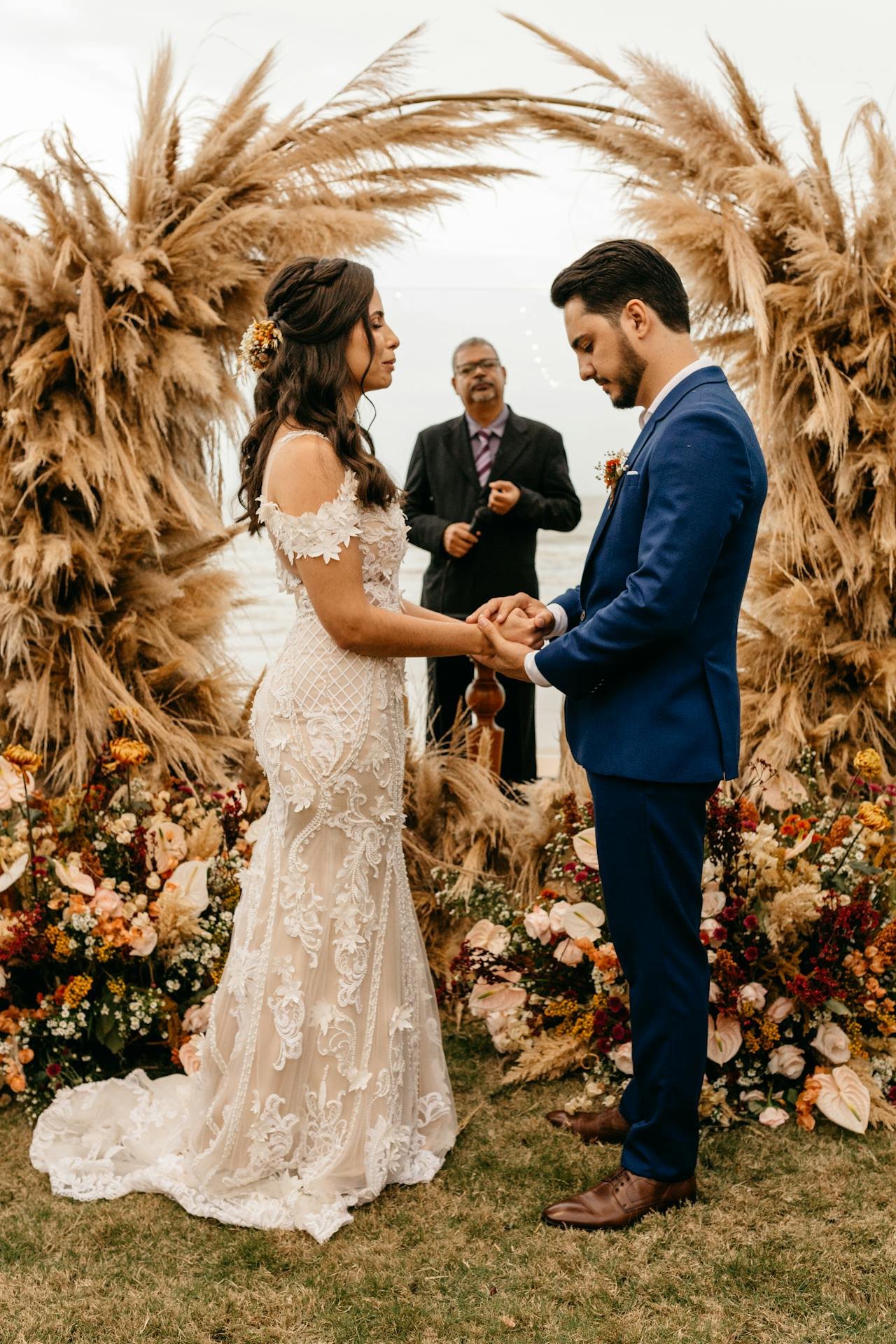
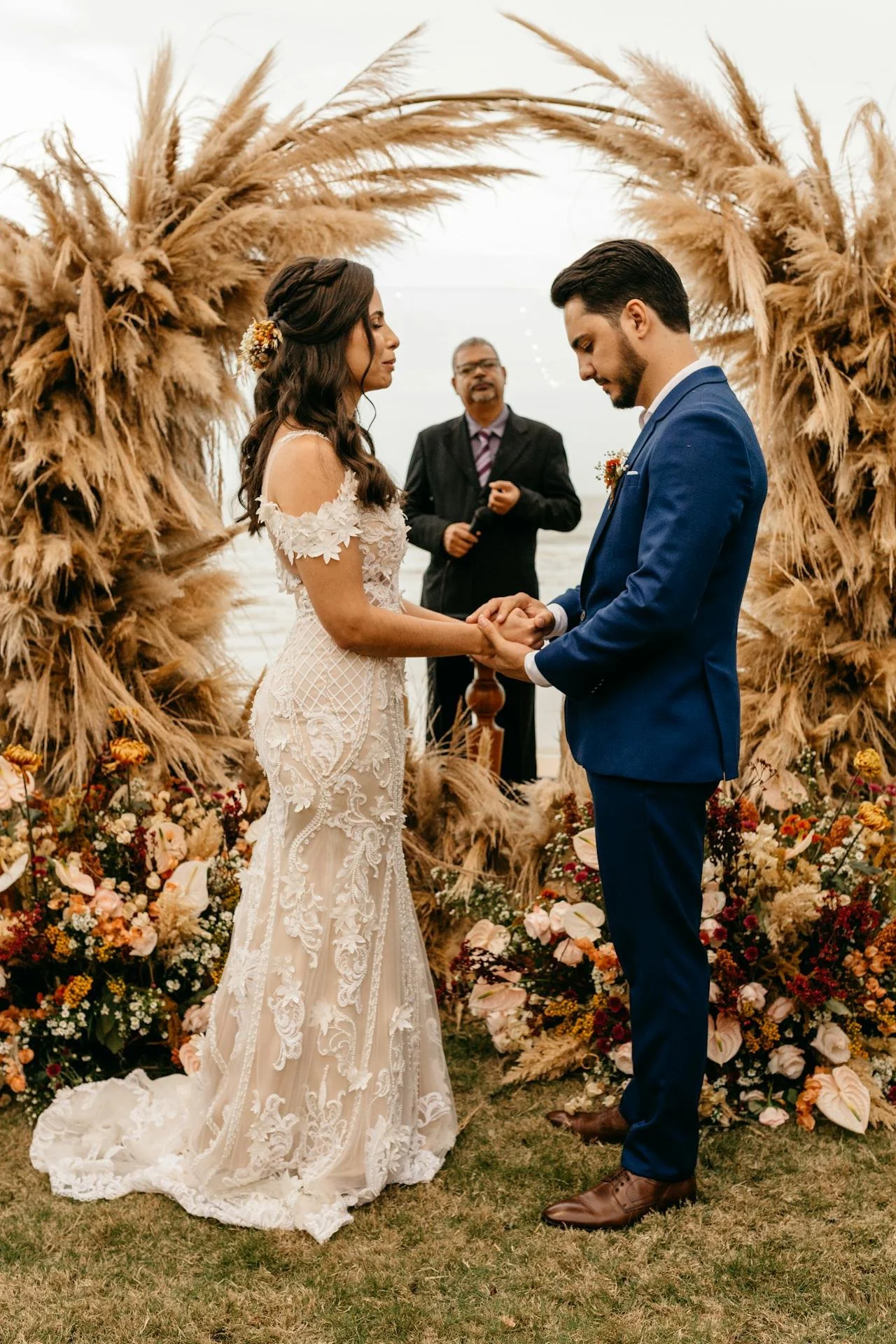
Wedding Planning Challenges / Photo: Jonathan Borba
Wedding Ceremony Planning Challenges and How to Overcome Them
Planning a wedding ceremony is one of the most meaningful parts of your wedding journey, but it can also bring unexpected stress, tough decisions, and logistical hurdles. Whether you’re just beginning to plan or are deep in the details, this guide will help you identify common ceremony planning challenges—and provide actionable solutions so your special moment feels seamless and joyful.
1. Setting the Right Ceremony Timeline
One of the most persistent planning challenges is building a timeline that balances ceremony flow, photography, travel time, and guest comfort.
Challenges
Coordinating multiple events in a limited window (processional, vows, rituals, recessional).
Accounting for light, weather, and venue restrictions.
Solutions
Start with an ideal wedding ceremony duration (typically 20–30 minutes).
Work backwards from your reception start to build a clear flow.
Discuss lighting and space with your wedding officiant and photographer before setting a start time.
Outcome: A confident timeline that reduces day-of stress and avoids rushed moments.
2. Personalization Without Overwhelm
Couples often want their ceremony to reflect their personalities but struggle to make choices among readings, rituals, and script elements.
Challenges
Over-abundance of options for rituals (unity ceremonies, cultural traditions, vow formats).
Fear of offending guests versus authentic expression.
Solutions
Prioritize a few meaningful elements rather than many superficial ones.
Use your wedding officiant’s experience to refine readings and rituals that resonate with your story.
Create custom vows that reflect your relationship without forcing formality.
Outcome: A ceremony that feels uniquely yours and memorable for guests.
3. Vendor Communication and Coordination
Wedding vendors are crucial to supporting a smooth ceremony, but poor communication can lead to timing conflicts or unmet expectations.
Challenges
Misaligned expectations between the wedding officiant, florist, photographer, and venue staff.
Timing confusion for music cues and processional cues.
Solutions
Use a centralized wedding ceremony agenda shared with all key vendors.
Attend at least one pre-wedding walkthrough (virtual or in person).
Assign a coordinator or trusted friend as a day-of point person.
Outcome: Seamless coordination to keep your wedding ceremony on time.
4. Managing Nerves and Family Expectations
Emotional stress and family dynamics can create pressure on the big day, hindering your ability to enjoy the moment.
Challenges
Performance anxiety about speaking or walking down the aisle.
Conflicting opinions from the family about the wedding ceremony content.
Solutions
Practice ceremony components (like your vows or processional cues) in advance.
Set boundaries early—your wedding ceremony is about you, not others’ preferences.
Rely on your wedding officiant to guide difficult conversations and offer neutral phrasing.
Outcome: A calm, confident experience with clear emotional support.
5. Budget Constraints vs. Wedding Ceremony Priorities
Budget decisions often prioritize reception details, leaving the wedding ceremony feeling underplanned or under-resourced.
Challenges
Pressure to allocate funds to décor, music, or flowers.
Feeling like ceremony costs are “less important.”
Solutions
Decide on your top three wedding ceremony priorities (e.g., officiant experience, music, décor) early in planning.
Repurpose décor or florals from the wedding ceremony to the reception.
Keep your wedding ceremony space impactful with simple design choices that fit your budget.
Outcome: A wedding ceremony that feels intentional and beautiful without overspending.
Your Wedding Ceremony, Your Story
No two weddings are alike, and every couple will encounter their own unique challenges. What unites the best ceremonies is thoughtful preparation, intentional decision-making, and clear communication with your officiant and wedding team.
If you ever feel stuck, know that support is available—your wedding officiant, planner, and vendor team want your ceremony to be meaningful and stress-free.
About the Author: Michael Moody, Wedding Officiant
Michael Moody—author of the self-improvement book Redefine Yourself: The Simple Guide to Happiness and host of the “The Elements of Being” podcast—is an ordained minister serving Denver and other towns across Colorado. He is a 2023 WeddingWire Couples’ Choice Award winner in both Denver and Chicago (his eighth consecutive year), was named “Best Business of 2024 and 2025” by Three Best Rated, and earned “The Best Wedding Officiant in Commerce City, Colorado for 2024” from Quality Business Awards USA. Since 2012, he has officiated more than 300 weddings.
Specifically, Michael officiates wedding ceremonies in the Denver neighborhoods of LoDo, River North, Washington Park, Cherry Creek, City Park, Central Park, Capitol Hill, Cheesman Park, Park Hill, Highland, Platt Park, Lower Highlands, Sloan Lake as well as the zip codes 80215, 80214, 80204, 80203, 80205, 80207, 80218, 80219, 80222, 80223, 80224, 80246, 80238, 80221, 80022, 80230, 80231, 80202, 80209, 80247, and 80210. Michael also serves as an ordained minister in Golden, Boulder, Breckenridge, Frisco, Aspen, Vail, Estes Park, and more.
If your Denver neighborhood or Colorado town isn’t listed here, no worries! Please contact Michael to propose a wedding ceremony location in a different area!
Wedding Planning Tips
Colorado Front Range Elopement Guide: Hiking-In Wedding Ceremonies and Scenic Trails
Summary
Plan a Colorado Front Range elopement with a hiking-in ceremony on trails like Mount Bierstadt or Twin Cones via Second Creek. Learn about permits, marriage licenses, gear, and timelines for 1–5 mile hikes with a non-religious Colorado wedding officiant guiding your mountain vows.
Frequently Asked Questions
How do we legally elope in Colorado on the Front Range?
You will need a Colorado marriage license from any county clerk, valid statewide. Colorado allows self-solemnization, but you can also hire a professional officiant to lead your ceremony and handle logistics on the trail.Do we need a permit for our Colorado Front Range elopement?
Many parks require a special use or wedding permit and sometimes a separate photography permit. Requirements vary by location, group size, and whether you are on national park, state park, or national forest land.How hard are hikes like Mount Bierstadt or Twin Cones for an elopement?
Mount Bierstadt is a challenging 14er at roughly 7+ miles and 2,700–2,800 feet of gain, while Twin Cones via Second Creek is about 5+ miles with 1,400–1,500 feet of gain and rated moderate. Your location should match your group’s fitness and altitude comfort.What should we wear for a hiking elopement ceremony?
Most couples hike in comfortable layers and boots, then change into wedding attire at the ceremony spot. Plan for moisture-wicking base layers, a warm mid-layer, a shell, and accessories like gloves and a beanie, even in summer.Can we bring guests to a hiking-in Front Range elopement?
Yes, as long as the trail and permits allow. Smaller groups (often under 10–15 people) are usually best for 1–5 mile hikes at altitude. Your officiant can help you select trails and timing that work with your guest list.What happens if the weather is bad on our elopement day?
We will design backup plans—such as lower-elevation trail options, alternative overlooks, or flexible timing—to keep you safe while still giving you a meaningful ceremony.
Key Topics
Colorado Front Range elopement
Colorado hiking elopement
Colorado mountain elopement officiant
Front Range elopement guide
Colorado hiking-in wedding ceremony
Mount Bierstadt elopement
Twin Cones Second Creek Trail elopement
Colorado adventure elopement officiant
Non-religious Colorado wedding officiant
Denver mountain elopement
Colorado elopement permits and licenses
Small hiking wedding Colorado
Sunrise elopement Colorado Front Range
Scenic trail elopement Colorado
Colorado alpine wedding ceremony
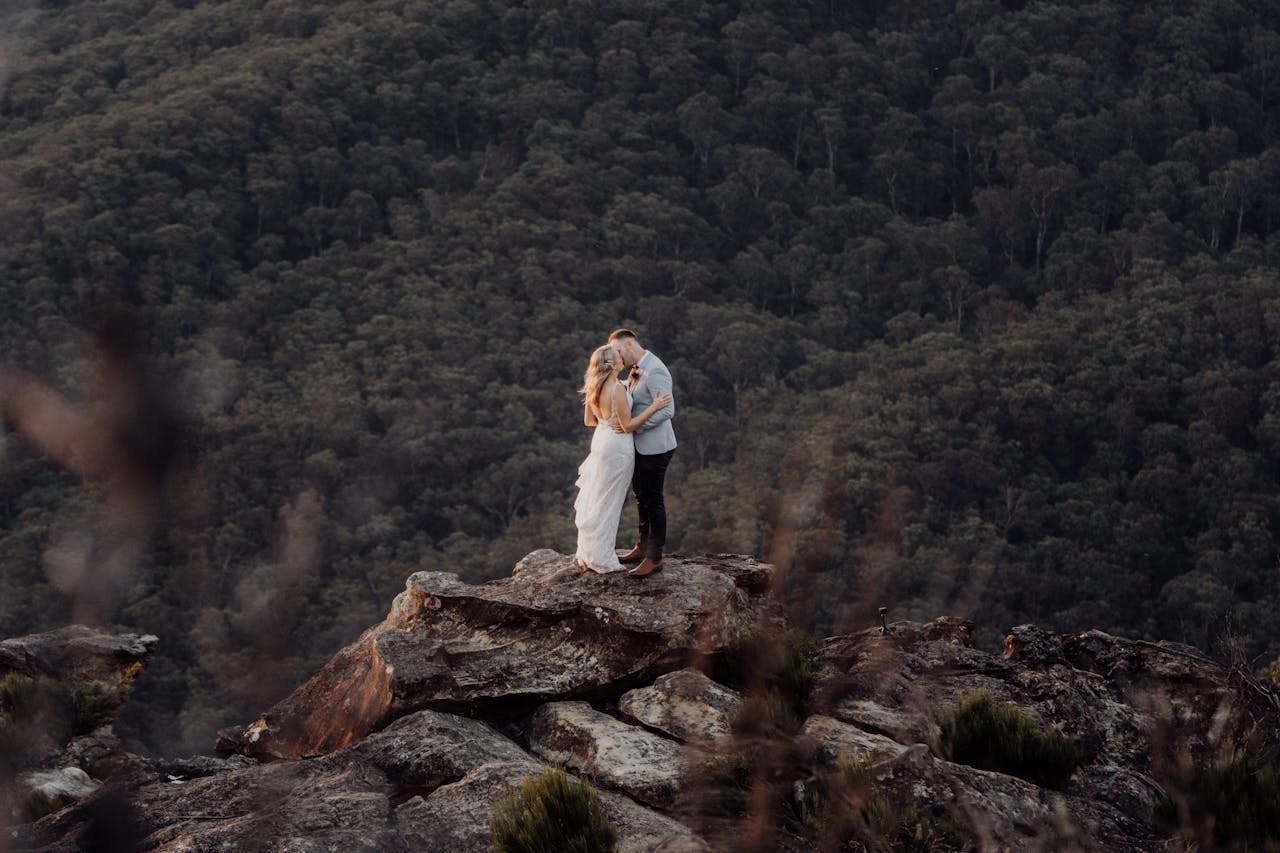
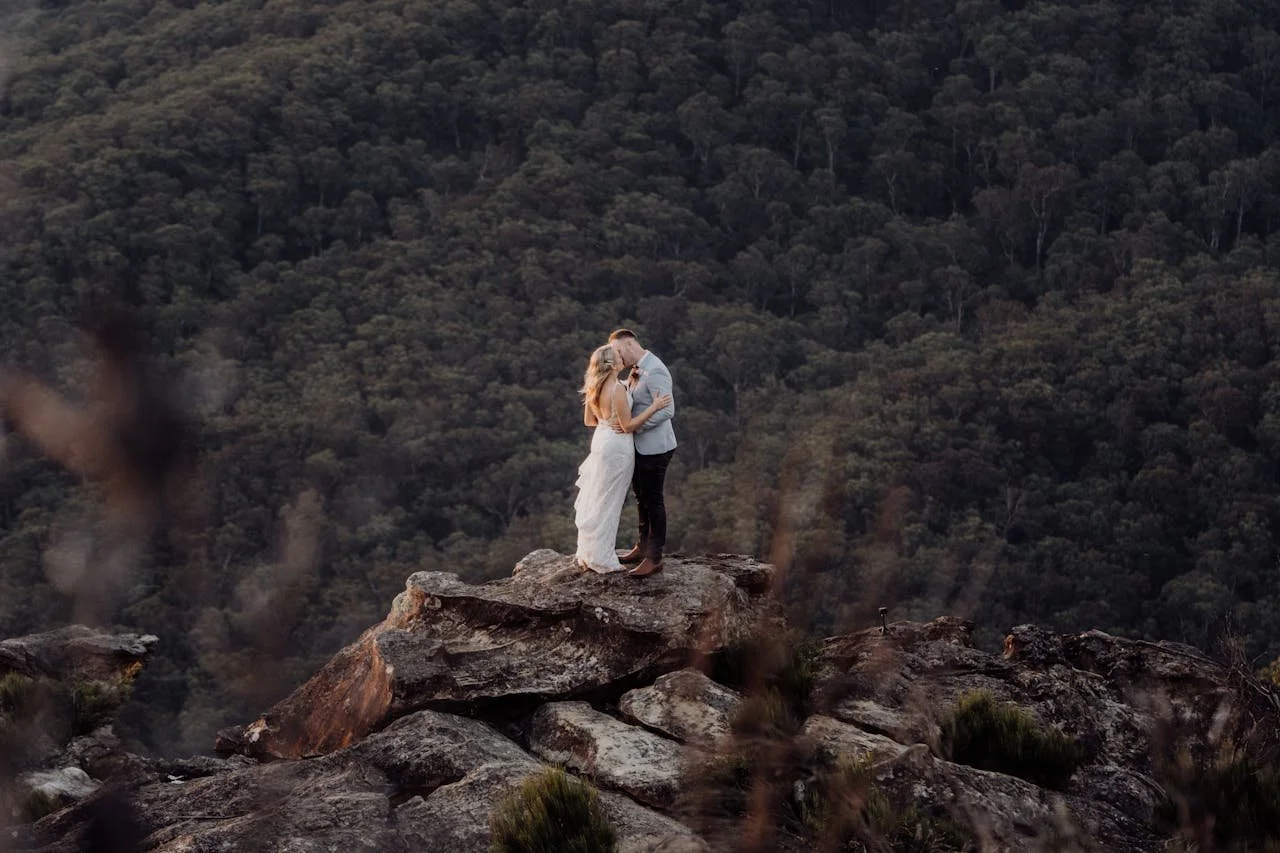
Elopement Wedding Colorado / Photo: Josh Withers
Colorado Front Range Elopement Guide: Hiking-In Wedding Ceremonies
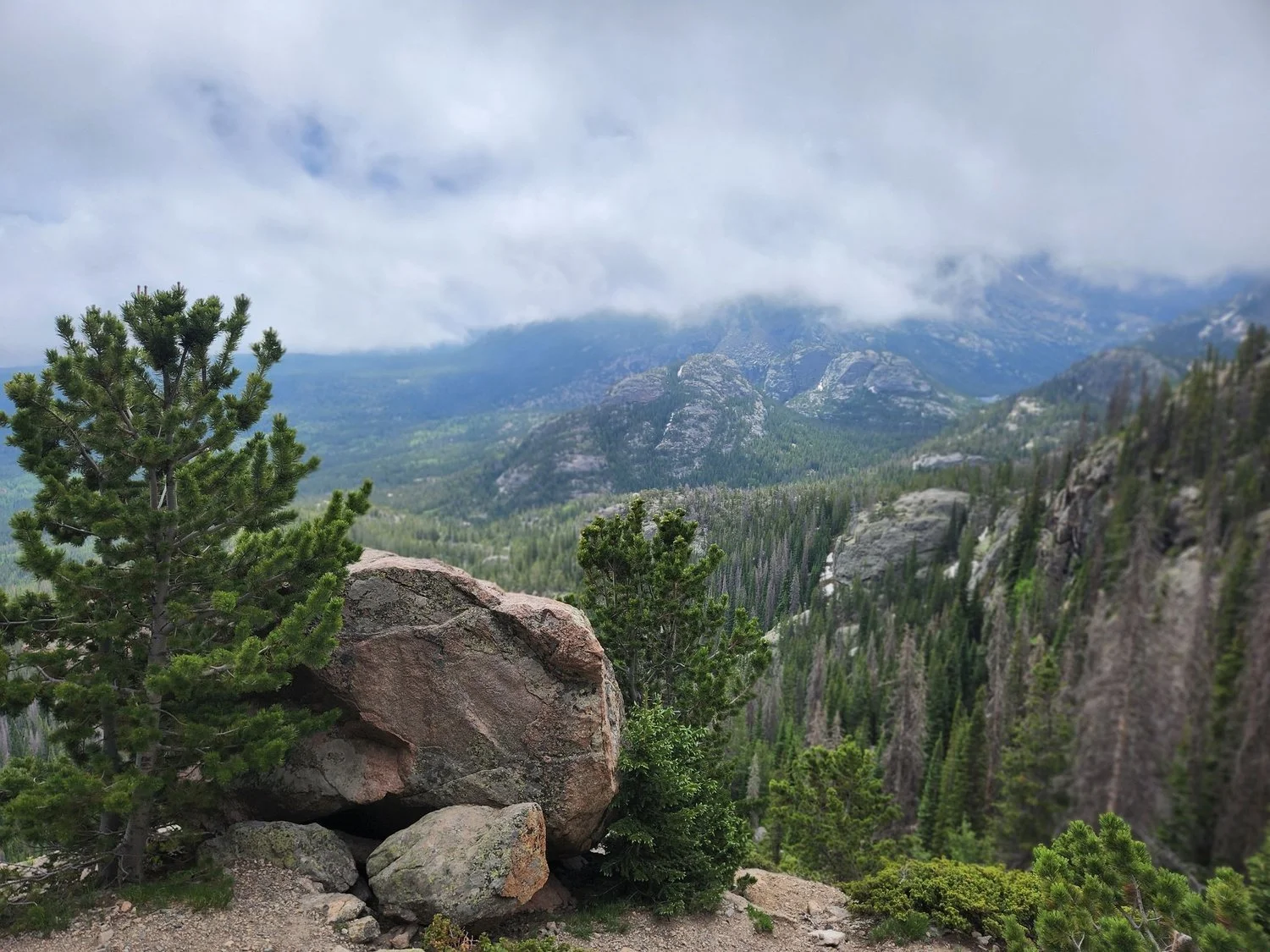
If your dream wedding looks more like hiking boots at sunrise than ballrooms and buffets, the Colorado Front Range is made for you. From drive-up overlooks to 5-mile alpine hikes, you can say your vows above treeline with sweeping views and still be back in time for a celebratory dinner in town.
This guide walks you through planning a Front Range elopement—especially if you are hiking 1–5 miles to a scenic ceremony spot—with real-world examples like Mount Bierstadt and the Twin Cones via the Second Creek Trail. Not sure of a trail? Michael has completed 114 hikes (all different routes) since February of 2022, including 15-14ers, 18-13ers, and 5-12ers. He will find the perfect scenic location for you!
Why Elope in the Colorado Front Range?
The “Front Range” is the dramatic mountain wall you see rising west of Denver, Boulder, and Colorado Springs. It is ideal for elopements because:
Easy access from major airports (DEN) and cities
Huge variety of landscapes—alpine tundra, evergreen forests, lakes, and rocky overlooks
Year-round options, from wildflower season to snowy winter elopements
Many couples still choose a professional wedding officiant to craft a meaningful, structured ceremony and manage the logistics on the trail.
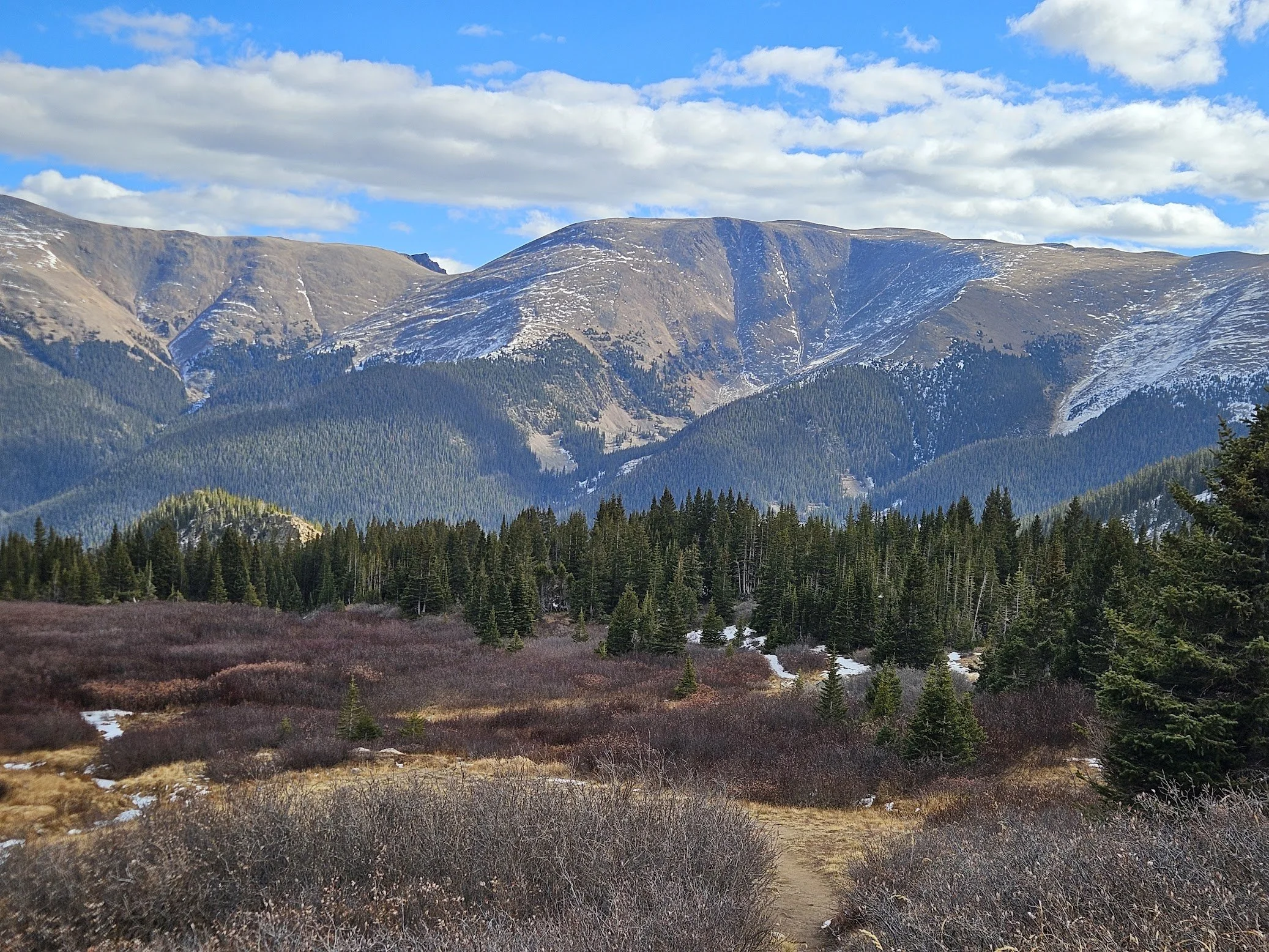
Colorado Elopement Ceremony
Choosing Your Front Range Elopement Style
Think first about how much hiking (and adventure) you want baked into your day.
1. Drive-Up or Short Walk Ceremonies (0–1 mile)
Scenic passes and overlooks with minimal hiking
Great for guests with mobility limitations, young kids, or formal attire
Often easier for permitting and timing
2. Short to Moderate Hikes (1–3 miles round-trip)
Perfect “sweet spot” for many couples: enough effort to feel like an adventure, but still accessible to friends and family with moderate fitness
Ideal for sunrise or sunset lighting
Often through forests to an overlook, lake, or meadow
3. Bigger Hikes (3–5 miles round-trip)
More solitude and grander views
Best for small groups (or just the two of you) who are comfortable at altitude and have some hiking experience
4. High-Commitment Objectives (Like Mount Bierstadt, a 14er)
Mount Bierstadt via the popular West Slopes route is roughly 7–7.8 miles round-trip, with about 2,700–2,850 feet of elevation gain and a challenging effort that typically takes 5–7 hours.
This is a true “all-day” elopement, best for small groups who already hike at altitude.
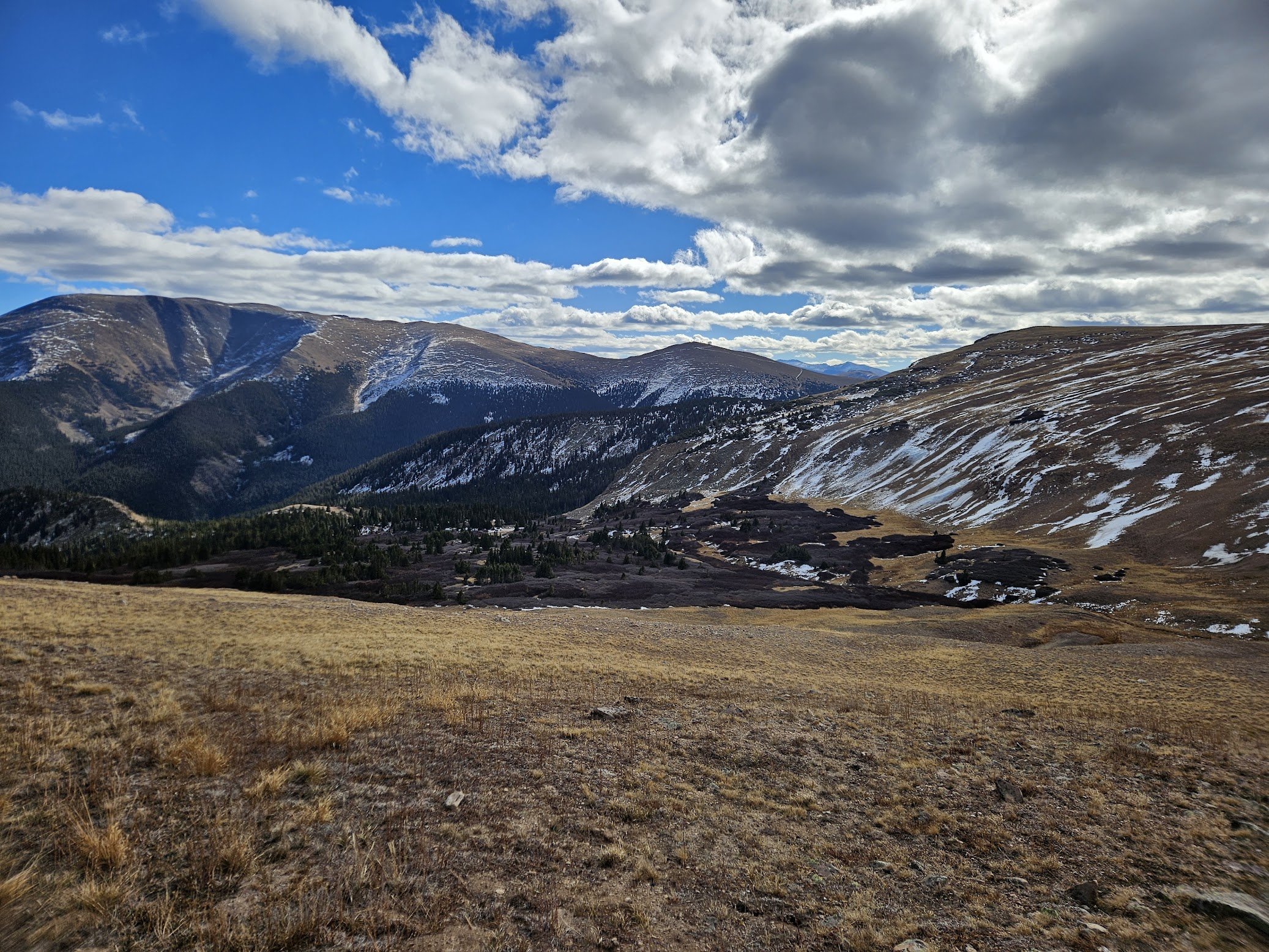
Elopement Wedding Ceremony
What You Need to Know About Permits and Legalities
Marriage License and Legal Requirements
You can obtain your marriage license from any Colorado county clerk and use it anywhere in the state.
Expect a small fee and to bring valid ID; there is typically no waiting period, and licenses are usually valid for about a month.
Land Use and Ceremony Permits
Rules change by location, but in many parks, you may need:
A special-use or wedding ceremony permit.
A separate photography permit is required for professional photographers in national parks and some state or local parks.
Typically, a permit isn’t needed on standard trails, though.
As your wedding officiant, Michael will help you:
Identify whether a permit is needed for your chosen spot
Navigate the application process and timelines
Choose ceremony locations that fit your group size and leave minimal impact
Hiking-In Elopements: What 1–5 Miles Really Looks Like
If you envision hiking to your ceremony, here’s what to expect and what you will need.
Assessing Difficulty and Fitness
At altitude, even “short” hikes can feel intense.
Twin Cones via Second Creek Trail is about 5.2–5.4 miles round-trip with roughly 1,450–1,500 feet of elevation gain, rated moderate and starting around 10,500 feet.
The first mile climbs steeply—about 800 feet of gain—so planning for breaks and pacing is essential.
For couples and guests, Michael likes to:
Build in extra time for slower hikers
Discuss training walks or hikes leading up to the elopement
Plan for acclimatization if you are flying in from sea level
Season, Weather, and Timing
Best months for higher-elevation Front Range hikes: roughly July–September (depending on snowpack)
Summer afternoons often bring thunderstorms; sunrise or early-morning starts are usually safer on high ridges and summits.
Shoulder seasons (late spring, late fall) can mean snow patches, icy sections, or access issues on mountain passes.
Michael will help you choose a time of day and date that balances lighting, trail conditions, and your comfort with cold or heat.
Gear Checklist for a Hiking Elopement
For couples and guests:
Sturdy hiking shoes or boots with good traction
Layers (base layer, warm mid-layer, waterproof shell)
Warm accessories: beanie, gloves, extra socks—yes, even in summer
Water (at least 1–2 liters per person, more on longer hikes)
Snacks and/or picnic items
Headlamp with fresh batteries for sunrise or sunset
Small backpack (it is okay if you hike in hiking clothes and change at the top)
For the wedding ceremony:
Compact bouquet or boutonniere in a protective wrap
Vow books and rings are stored in a secure pouch
Lightweight blanket or shawl if it is chilly
A compact audio setup, if we are using music or a small speaker
High-altitude elopements are unforgettable—but the environment and the risks must be kept in mind.
As your wedding officiant, Michael will help you:
Choose backup locations in case of weather or trail closures
Plan for realistic turnaround times (especially on bigger hikes like Bierstadt)
Follow Leave No Trace principles—staying on the trail, packing out everything we pack in, and keeping the fragile tundra safe
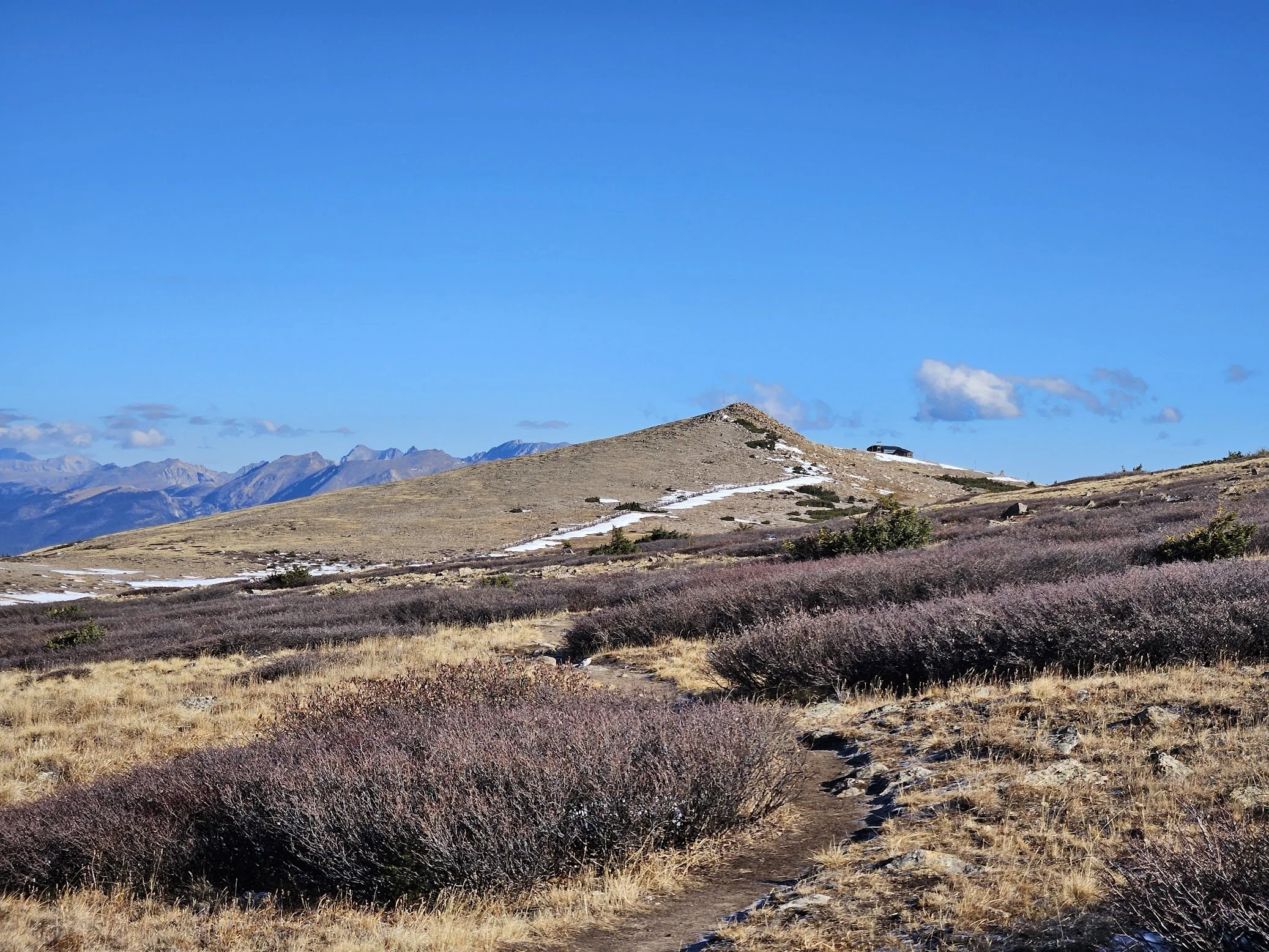
Colorado Wedding Ceremony
Real Front Range Hike Ideas for Your Elopement
Mount Bierstadt (14,000+ ft Summit)
Best for: Very small groups, “just us” elopements, experienced hikers
Distance: Around 7–7.8 miles round-trip; elevation gain ~2,700–2,850 feet; difficulty: challenging
Vibe: Iconic 14er experience with panoramic views and a big sense of achievement
Considerations: Early start (often pre-dawn), strong fitness, acclimatization, and flexible expectations if weather moves in
Twin Cones via Second Creek Trail
Best for: Couples or small groups wanting an alpine feel with a moderate effort
Distance: Roughly 5.2–5.4 miles round-trip; elevation gain about 1,450–1,500 feet; difficulty: moderate
Highlights: Forested start, Broome Hut, creek crossings, wildflowers, and open tundra with expansive views of Berthoud Pass
Considerations: Steep first mile, high-elevation starting point, rapidly changing weather. Don’t want to hike to the top of this 12er? Michael has an incredible spot, only a mile hike in.
Shorter Front Range Trails (1–3 Miles)
If your ideal day is a gentle hike plus a relaxed celebration in town, there are many shorter options near:
Boulder, Golden, Evergreen, and Idaho Springs
Trailheads with amazing views are only 1–1.5 miles from the car
Options for sunrise, sunset, or even weekday mid-morning ceremonies to avoid crowds
How a Wedding Officiant Fits Into a Hiking Elopement
Even in a state that allows self-solemnization, having an officiant along your hike can take the stress off your shoulders.
As your Colorado Front Range wedding officiant, Michael:
Helps you choose a fitting location based on your story, group size, and hiking comfort
Coordinates timing so we reach the ceremony spot with good light and without rushing
Designs a custom, non-religious wedding ceremony that feels intimate and personal—whether it is just the two of you or a small group of friends
Manages logistics on trail—from pacing to small route decisions—so you can stay present with each other
Guides the legal process, from confirming license details to making sure everything is signed correctly after your vows
When to Plan Your Colorado Front Range Elopement
Summer (July–August): Wildflowers and long daylight; higher risk of afternoon storms
Early Fall (September–early October): Crisp air, more stable weather, and golden aspens at lower elevations
Late Fall–Spring: Possible snow, microspikes or snowshoes may be needed, but you can have incredibly quiet trails and dramatic snowy backdrops
For higher-elevation trails like Bierstadt or Twin Cones, summer through early fall is typically the safest window, depending on yearly snowpack.
Travel and Lodging Tips for Out-of-Town Couples
Fly into Denver International Airport (DEN) and plan at least one night in Denver, Boulder, or Golden before heading to higher elevations to acclimate.
Choose lodging close to your trailhead (e.g., Georgetown, Idaho Springs, Winter Park, or the west side of the Front Range) to shorten your drive the morning of the hike.
Consider booking a rental house or boutique hotel where you can get ready and host a small post-hike celebration.
Sample Half-Day Hiking Elopement Timeline (3–5 Mile Hike)
7:30 am – Meet at the trailhead, quick gear check, and itinerary review
8:00 am–9:15 am – Hike to ceremony location with breaks and photos along the way
9:15–10:00 am – Sunlit ceremony with a mountain range backdrop, vows, ring exchange, photos
10:00–11:00 am – Champagne toast, picnic lunch, portraits
11:00–12:15 pm – Hike back to the trailhead
Early afternoon – Brunch, spa, or mini-reception in town
Every timeline is customizable to your trail, season, and vision.
Ready to Plan Your Colorado Front Range Elopement?
Whether you are dreaming of a 14er summit, a moderate alpine hike like Twin Cones, or a gentle forest trail with big views, the Colorado Front Range offers endless elopement possibilities.
On Michael’s wedding officiant website, you will find non-religious, personalized ceremonies that blend calm guidance with a sense of adventure. If you are ready to start planning—or just exploring whether a hiking-in ceremony is right for you—Michael is happy to help you design a day that feels like you.
About the Author: Michael Moody, Wedding Officiant
Michael Moody—author of the self-improvement book Redefine Yourself: The Simple Guide to Happiness and host of the “The Elements of Being” podcast—is an ordained minister serving Denver and other towns across Colorado. He is a 2023 WeddingWire Couples’ Choice Award winner in both Denver and Chicago (his eighth consecutive year), was named “Best Business of 2024 and 2025” by Three Best Rated, and earned “The Best Wedding Officiant in Commerce City, Colorado for 2024” from Quality Business Awards USA. Since 2012, he has officiated more than 300 weddings.
Specifically, Michael officiates wedding ceremonies in the Denver neighborhoods of LoDo, River North, Washington Park, Cherry Creek, City Park, Central Park, Capitol Hill, Cheesman Park, Park Hill, Highland, Platt Park, Lower Highlands, Sloan Lake as well as the zip codes 80215, 80214, 80204, 80203, 80205, 80207, 80218, 80219, 80222, 80223, 80224, 80246, 80238, 80221, 80022, 80230, 80231, 80202, 80209, 80247, and 80210. Michael also serves as an ordained minister in Golden, Boulder, Breckenridge, Frisco, Aspen, Vail, Estes Park, and more.
If your Denver neighborhood or Colorado town isn’t listed here, no worries! Please contact Michael to propose a wedding ceremony location in a different area!