
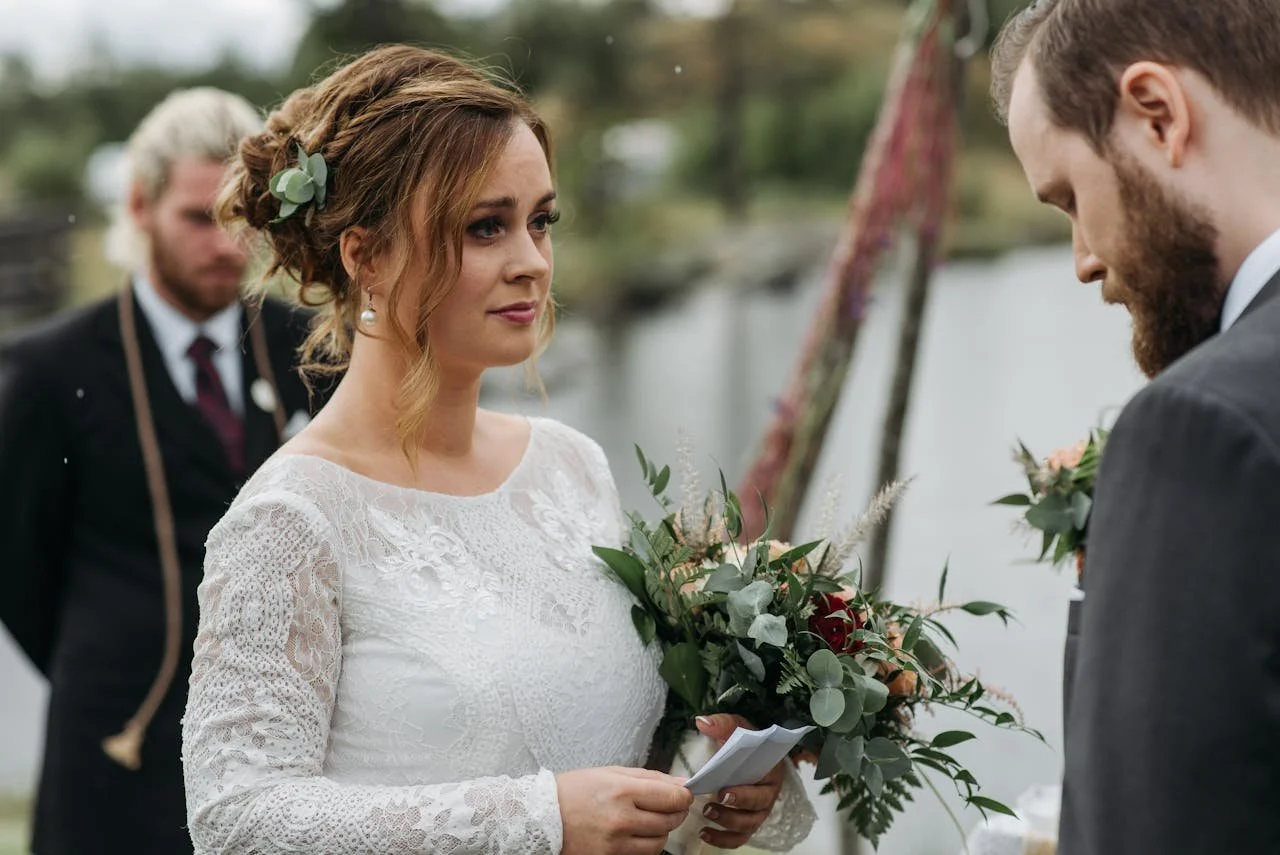
Crafting the Perfect Moment
Never leaving any nuance untouched.
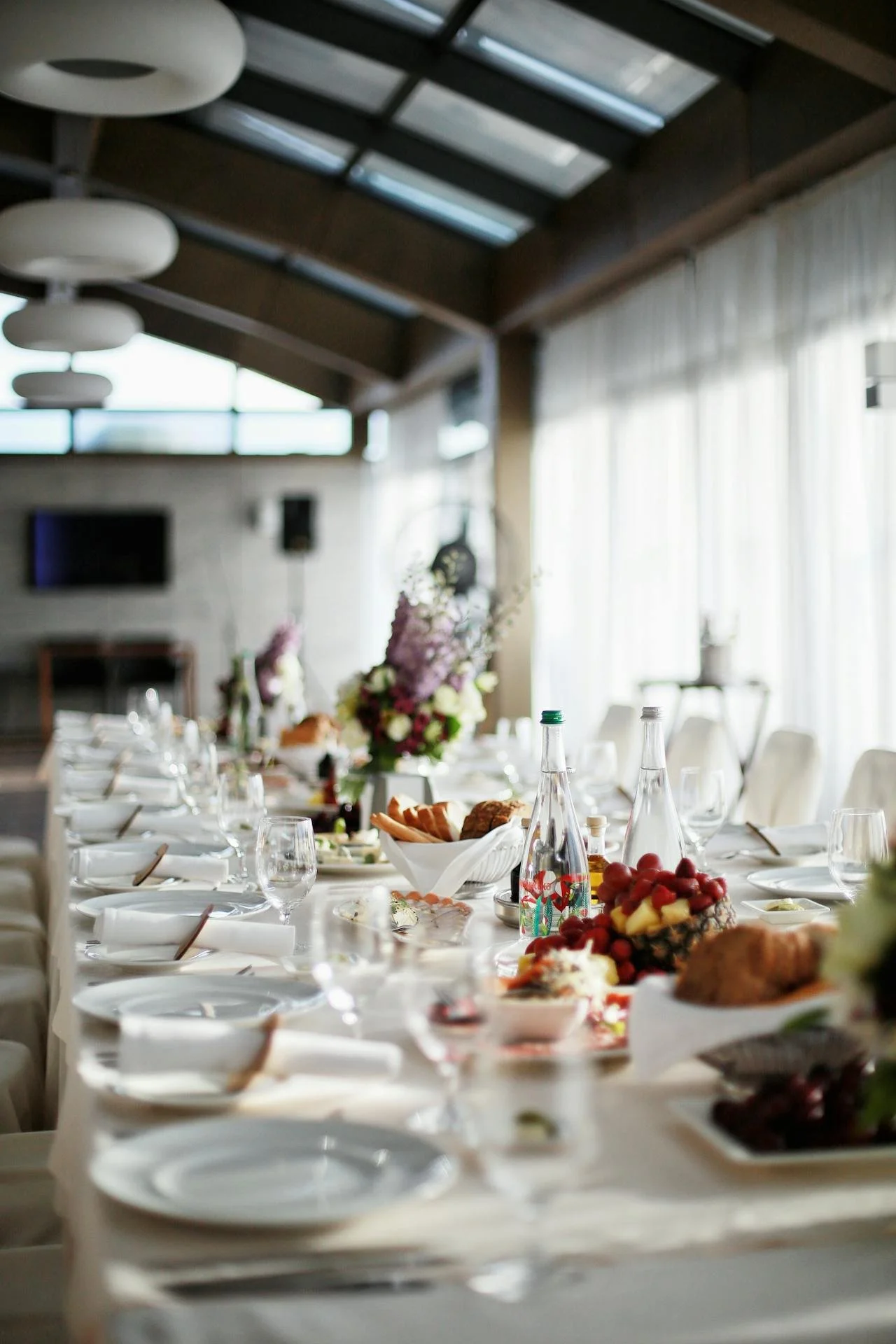
Wedding Rehearsal Checklist for a Calm, Beautifully Led Ceremony
A wedding rehearsal is not about making the ceremony feel staged. It is about helping everyone feel settled before the moment arrives.
With a clear plan, the ceremony can unfold with more ease: the processional feels natural, readers know where to stand, music cues land cleanly, family members understand their roles, and the couple can enter the ceremony with less noise in their minds.
This guide is designed for couples planning a wedding ceremony in Denver, Boulder, Golden, throughout Colorado, or in a mountain setting where timing, movement, weather, and presence all matter.
The rehearsal creates calm before the ceremony
The ceremony is one of the few parts of the wedding day where everyone becomes still.
Before that stillness can happen, the people involved need to know where to go, when to move, how to stand, who holds what, and what happens next. A good rehearsal does not take the emotion out of the ceremony. It protects it.
The goal is simple: fewer questions on the wedding day, cleaner movement, better timing, and more room for the couple to actually feel the moment.
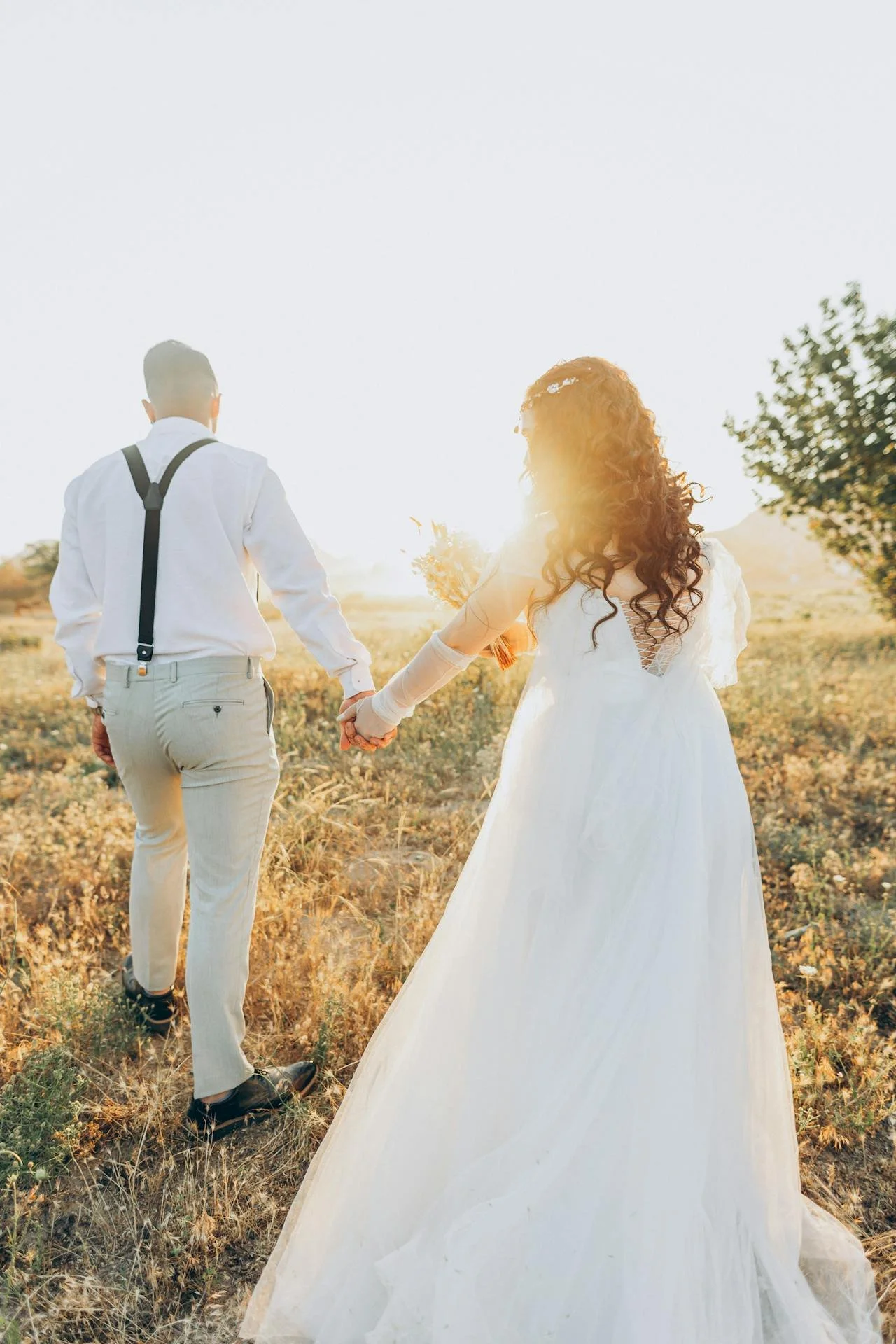
A 45–60 minute wedding rehearsal flow
Most wedding rehearsals can be completed in 45 to 60 minutes when the right decisions are made ahead of time. The rehearsal should feel clear, respectful of everyone’s schedule, and focused on the ceremony details that truly need to be practiced.
Timeline
Start — Marriage license and final details
Hand the wedding officiant the marriage license and any pre-addressed envelope or return instructions. The marriage is not official until the ceremony has concluded, but this keeps the legal details organized before the day begins.
5 minutes — Couple and planner walk-through
Confirm the ceremony space, where the couple will stand, where the wedding party will line up, where readers will sit, and where any special elements will be placed.
15 minutes — Wedding party blocking and first processional
Practice the processional order, spacing, pace, and where each person stands once they arrive at the front.
30–40 minutes — Ceremony sections and cues
Preview the major ceremony moments: readings, vows, rings, unity rituals, cultural traditions, and any music or movement cues.
45–55 minutes — Second processional and full walk-through
Run the ceremony flow one more time with everyone in place so timing, transitions, and spacing feel settled.
60 minutes — Final notes and dismissal
Answer final questions, confirm arrival times, and release the wedding party and family members.
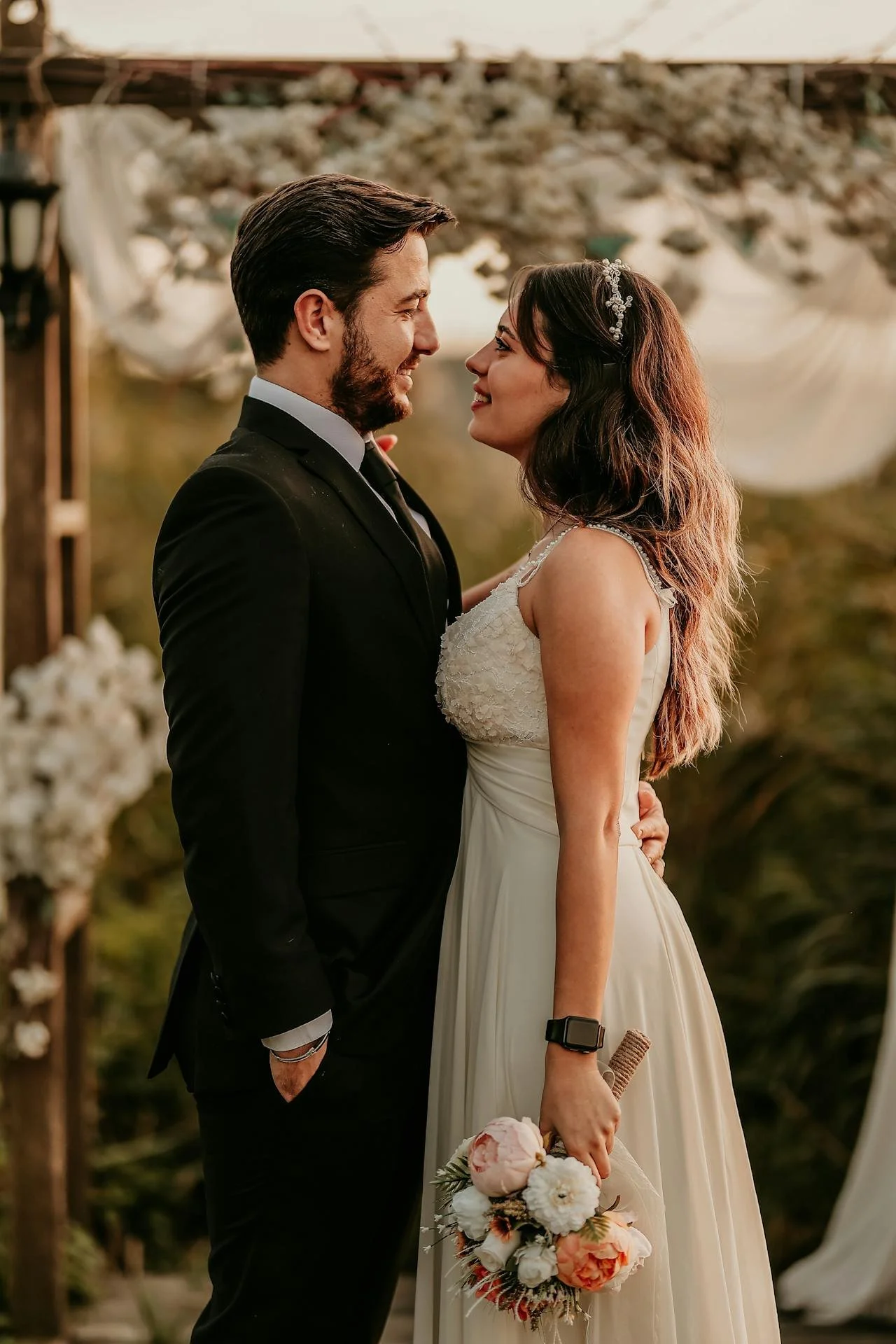
Big Questions to Finalize Before the Rehearsal
What to decide before everyone arrives
A rehearsal goes more smoothly when the biggest decisions are already made. Use the rehearsal to practice movement and confirm details, not to make every ceremony decision from scratch.
Checklist
Pre-Ceremony Announcements
Decide whether the wedding officiant should ask guests to silence their phones, refrain from taking photos, remain seated, or follow any custom instructions before the ceremony begins.
Ceremony Table Placement
If you are using a unity item, wine box, glass, candle, ketubah, or other ceremonial element, decide where the table will sit and who is responsible for placing each item.
Sound and Music
Confirm whether the wedding officiant will have a lapel microphone and whether readers or vow exchanges will need a second microphone. Confirm who cues music and how start and stop signals will be given.
Vows and Rings
Decide whether vows will be personal, repeated, or read from cards. Confirm who holds the vow cards and who holds the rings.
Unity or Cultural Rituals
Confirm what items are needed, who brings them, where they are placed, who participates, and when the ritual happens during the ceremony.
Photography and Videography
Talk through where the photographer and videographer should be positioned for the processional, vows, ring exchange, kiss, and recessional.
Weather and Accessibility
For Colorado weddings, consider shade, wind, rain, snow, heat, altitude, and accessibility for older guests or anyone with mobility needs.
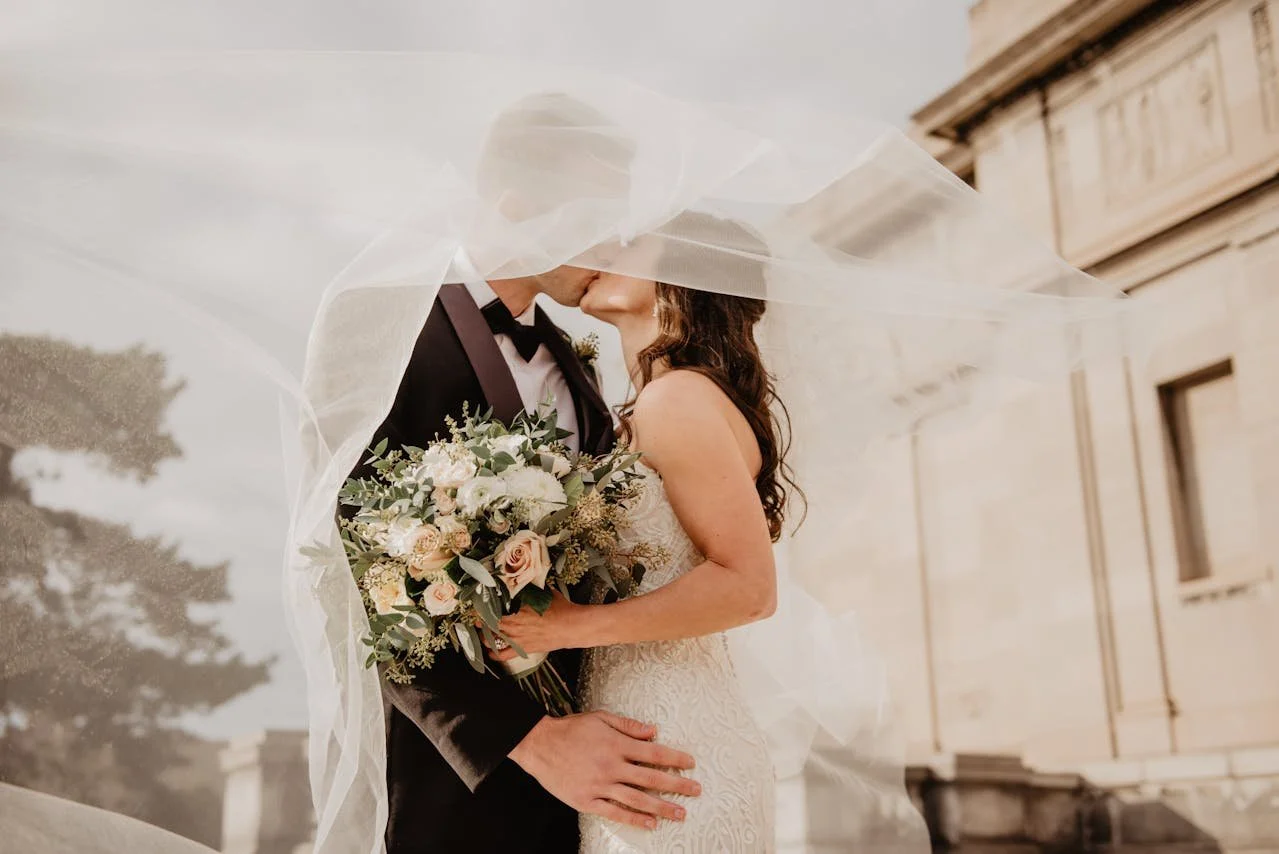
Wedding Officiant / Photo: Emma Bauso
Processional Planning
The processional should feel calm, not rushed
The processional sets the first visible rhythm of the ceremony. When it is too fast, crowded, or uncertain, the ceremony can feel unsettled before it begins. When it is paced well, the entrance feels composed and intentional.
Processional Checklist
Confirm the order
Decide the full order: grandparents, parents, wedding party, children, ring bearer, flower children, partner entrances, and the final entrance.
Decide who escorts whom
Confirm whether parents, grandparents, or other family members are escorted, and how any wedding party member returns to the lineup afterward.
Clarify where family sits
Parents, grandparents, and close relatives usually sit in the first rows. Readers should sit near the aisle for easy access.
Plan for children and pets
Assign a trusted adult to help young children or pets before, during, and after their entrance. Very young children often do best sitting down after their moment.
Set the walking pace
Each person or pair should walk at a calm, natural pace. Allow space between entrances so the photographer can capture each moment clearly.
Pause before entering
A brief pause before walking gives the music, guests, and photography a moment to settle.
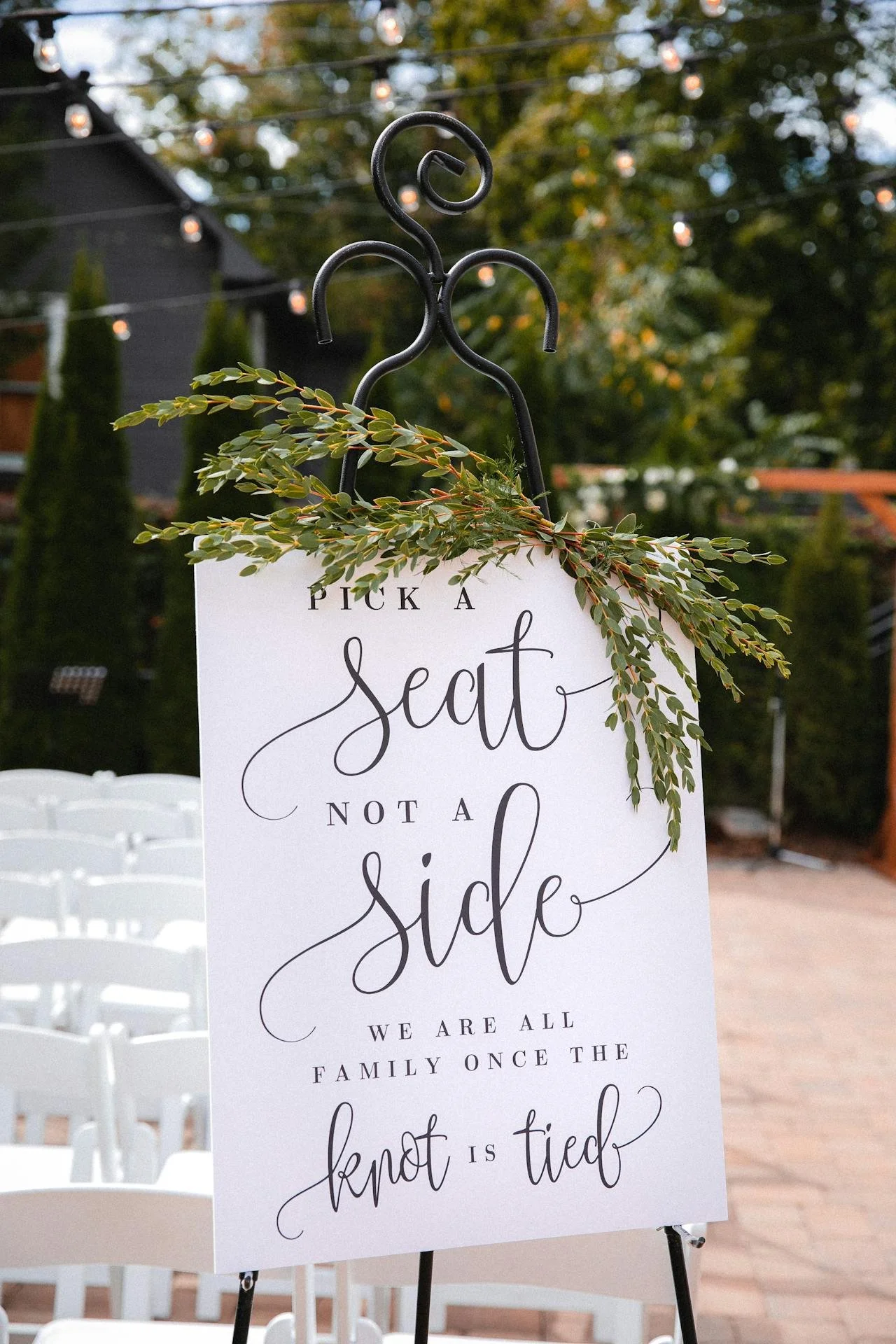
Wedding Ceremony Planning Tips / Photo: Chapin-Jones
Ceremony Blocking
Clean lines, clear sightlines, and room to breathe
Good ceremony blocking helps the couple remain the visual and emotional center of the moment. The wedding party should feel present without crowding the couple. Family members should be able to see. Photographers should have clean sightlines. The officiant should be close enough to guide the ceremony but not placed in a way that dominates the visual frame.
Blocking Checklist
Couple placement
Confirm exactly where the couple will stand and whether they will face each other, the officiant, or slightly toward the guests.
Wedding party spacing
Choose straight lines, gentle curves, or staggered angles depending on the space. Keep enough distance between attendants so the front of the ceremony does not feel crowded.
Wedding Officiant placement
Confirm where the officiant stands during the ceremony and whether they will step aside before the kiss.
Reader placement
Readers should know where they will sit, where they will stand to read, whether they will use a microphone, and how they return to their seats.
Bouquet and train details
Decide who takes the bouquet during vows and who helps adjust the dress, veil, or train if needed.
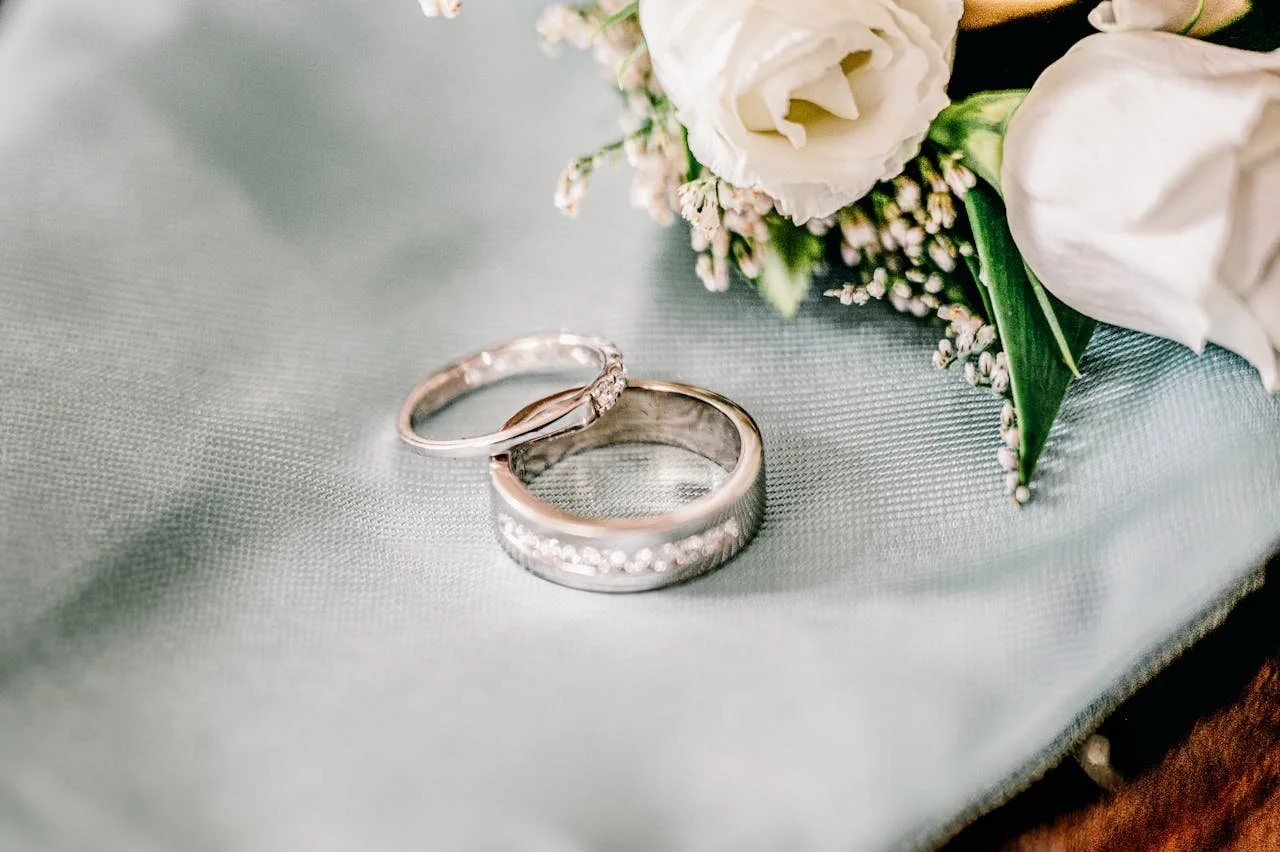
Wedding Rehearsal Tips / Photo: nourabiad
Readers, Vows, Rings, and Rituals
The quiet details that make the ceremony feel composed
The most meaningful parts of the ceremony often depend on small practical details. A reader knowing where to stand. A vow card being in the right hand. A ring box being ready. A microphone being close enough to hear. These are simple things, but they help the ceremony feel calm and fully present.
Checklist
Readers
Readers should bring a printed copy in a large, readable font. Avoid reading from a phone if glare, battery life, or screen locks could become an issue.
Vows
Personal vows should be printed or written on clean vow cards. Decide whether each person will hold their own vows or whether the officiant will hold them until the moment arrives.
Rings
Confirm who holds the rings and whether they are in a box, pouch, or tied to a ring bearer pillow.
Unity rituals
Confirm all items, placement, timing, and cleanup. If the ritual involves fire, glass, wine, sand, water, or cultural objects, make sure the venue allows it.
Cultural traditions
If your ceremony includes a ketubah, lasso, arras, jumping the broom, handfasting, tea ceremony, family blessing, or other tradition, decide who participates and when.
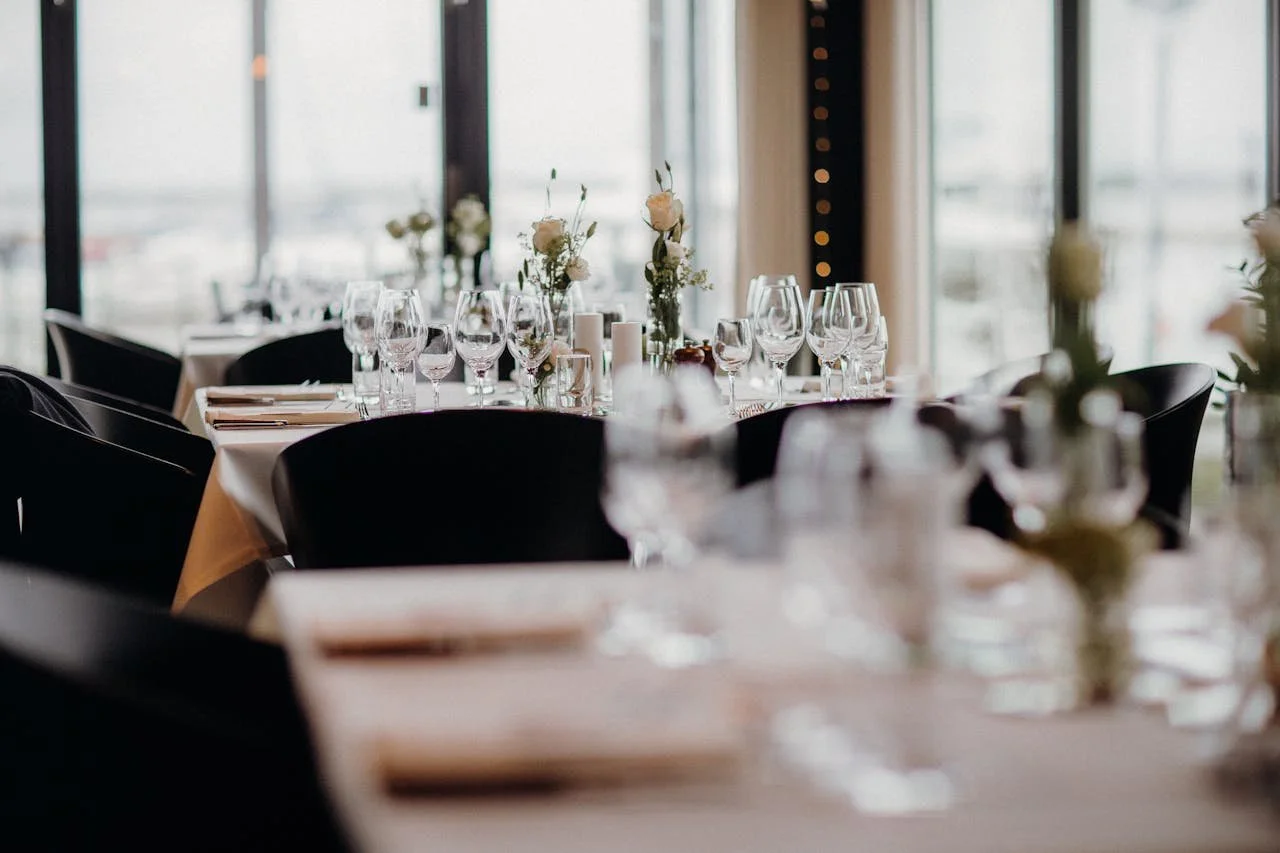
Wedding Ceremony Details / Photo: reneterp
Music and Sound
The ceremony should be heard and felt
Sound is one of the most overlooked parts of a ceremony. Guests can feel the emotion of the moment more fully when they can hear the words clearly. The officiant, vows, readings, and music should all be supported by a simple, thoughtful sound plan.
Checklist
Microphones
Confirm whether the DJ, venue, or musicians have a lapel microphone and whether readers or personal vows require a handheld or stand microphone.
Music cues
Confirm the exact processional songs, when each song begins, when it fades, and who is responsible for cueing the music.
Live music
If musicians are involved, confirm sightlines, signals, and timing.
Outdoor sound
Wind, traffic, fountains, rivers, and open air can make voices harder to hear. Plan accordingly.
Battery and charging check
Confirm microphones, speakers, and music devices are charged and ready.
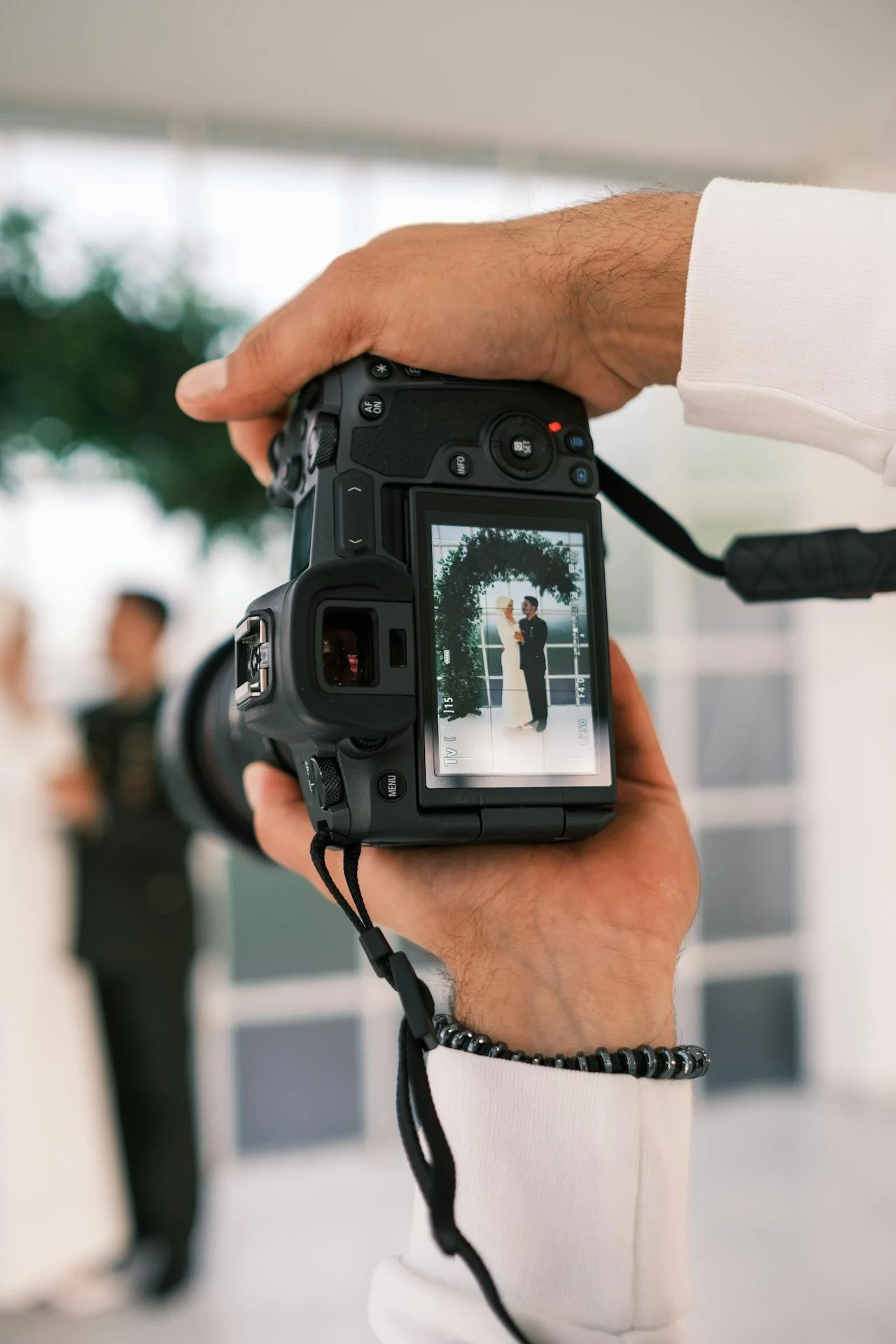
Wedding Photographer / Photo: Orhan Pergel
Photography, Videography, and Guest Experience
Let the ceremony be beautiful without becoming overly managed
The rehearsal should support the visual flow of the ceremony without turning it into a performance. The goal is not to choreograph every breath. It is to ensure the key moments are visible, audible, and easy for the couple, guests, and creative team to experience.
Checklist
First look down the aisle
Confirm where each partner should pause, look, and stand for the strongest visual moment.
The kiss
Decide where the couple will stand and whether the wedding officiant should step aside beforehand.
Recessional timing
Confirm when the music starts and how the couple exits.
Family photos
Decide where the immediate family should go after the ceremony.
Guest instructions
If needed, the officiant can announce cocktail hour, details on the unplugged ceremony, family photo locations, transportation notes, or where guests should go next.
Colorado Weather and Venue Considerations
Colorado ceremonies ask for a little extra thought
Weather, altitude, wind, light, and terrain can all shape the ceremony experience in Colorado. A Denver rooftop, Boulder foothills venue, Golden creekside space, Aspen overlook, or mountain trail ceremony may each require a different plan. The more you think through these details early, the calmer the ceremony will feel when the day arrives.
Checklist
Wind
Secure arches, florals, aisle runners, signage, veils, and paper goods.
Sun and shade
Consider where guests will sit and whether the couple will be facing direct light.
Rain or snow
Confirm the backup location and decision deadline.
Heat and hydration
Outdoor ceremonies may require water, shade, and shorter standing times.
Altitude
For mountain venues, give guests time to arrive, walk slowly, and acclimate.
Accessibility
Confirm paths, stairs, seating, restrooms, and transportation for guests who may need extra support.
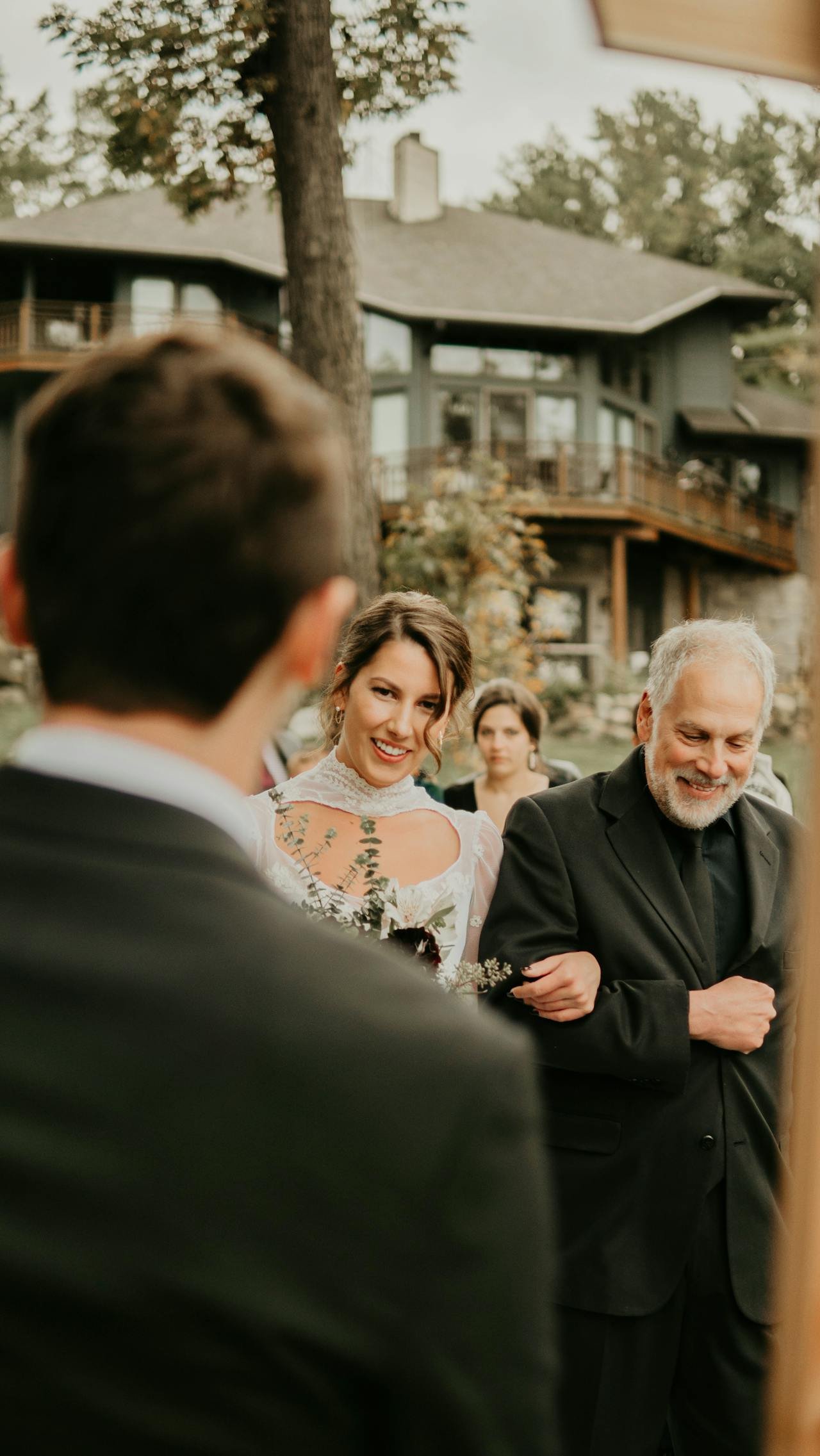
Colorado Wedding Rehearsal / Photo: Hussein Altameemi
Rehearsal Pro Tips
Small details that make the wedding day easier
A thoughtful rehearsal does not need to be complicated. It simply needs to answer the right questions before emotion, timing, and guest movement become part of the wedding day itself.
Tips
Wear your ceremony shoes or shoes with a similar height.
Bring printed readings and vow cards.
Create a group text with the planner, wedding officiant, DJ, photographer, videographer, and key family members.
Build a 10–15 minute buffer for Denver traffic, parking, or mountain venue delays.
Bring water, tissues, fashion tape, safety pins, stain wipes, bobby pins, and any small emergency items.
Confirm signage for ceremony, restrooms, cocktail hour, and guest flow.
Share a final vendor contact sheet and timeline.
Practice microphone distance and handoffs.
Decide who adjusts the veil, train, bouquet, or boutonniere.
Keep the rehearsal focused, kind, and calm.
Wedding Rehearsal FAQ
Do we need a wedding rehearsal?
A rehearsal is strongly recommended if you have a wedding party, family processional, personal vows, readers, live music, cultural rituals, or a larger guest count. Smaller ceremonies may not need a full rehearsal, but a brief walk-through can still be helpful.
How long does a wedding rehearsal take?
Most wedding rehearsals take 45 to 60 minutes when the major decisions are made ahead of time.
Who should attend the wedding rehearsal?
The couple, wedding party, immediate family members involved in the processional, readers, children, anyone handling rings or rituals, the wedding officiant, and the planner or coordinator should attend.
Should the wedding officiant attend the rehearsal?
Yes, especially if the ceremony includes personal vows, readings, rituals, family processional details, or a more involved ceremony structure. The wedding officiant helps connect the movement of the rehearsal with the emotional flow of the ceremony.
What should we bring to the rehearsal?
Bring the marriage license if the wedding officiant will hold it before the ceremony, printed readings, vow cards, ring box, ritual items, final ceremony order, processional order, and any notes from the planner or venue.
Can Michael lead the wedding rehearsal?
Yes. Rehearsal leadership is available for couples who want support with processional order, spacing, cues, wedding party roles, readers, vows, rituals, and ceremony flow.
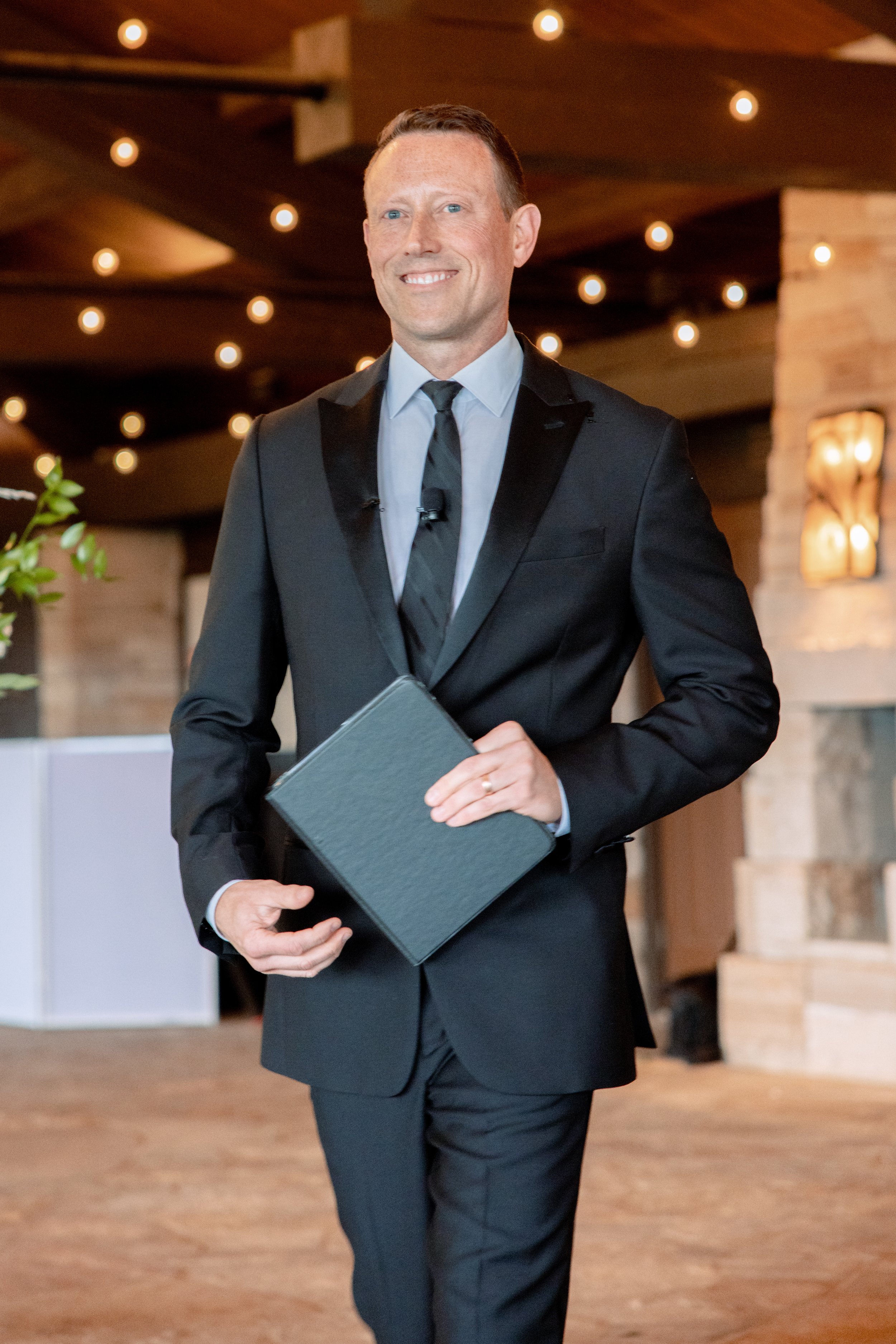
Ordained Minister / Photo: Klingenschmidt
A ceremony that feels calm because it was prepared with care
A rehearsal is not about removing the emotion from the ceremony. It is about giving the moment enough structure to be fully felt.
If you are planning a wedding in Denver, Boulder, Golden, or a Colorado mountain setting, Michael can help you create a ceremony that feels personal, composed, and easy to trust from the first conversation to the final words.
Michael Moody is a Colorado wedding officiant helping couples create personal, non-religious ceremonies in Denver, Boulder, Golden, and throughout the state. His background as a published author, podcast host, longtime student of psychology, and experienced ceremony leader shapes how he approaches each wedding: with clear language, a steady presence, and attention to how the moment will feel when spoken aloud.
For couples who want the ceremony to feel personal, composed, and beautifully led, rehearsal support can help the day unfold with more ease.
Colorado Office (By Appointment Only)
Photo Credits: Pavel Danilyuk (#1), Anastasia Ilina-Makarova (#2), Oğuz Uğur (#4), Çağdaş Birsen (#3)